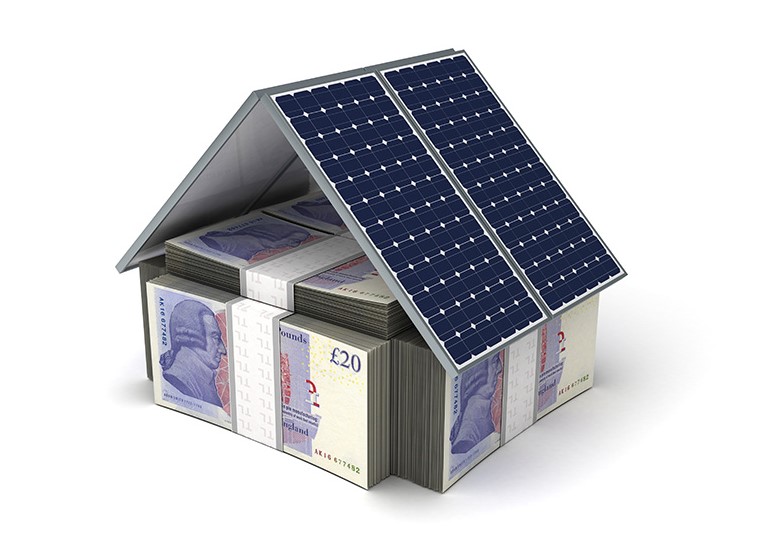
Powering the electricity with fossil fuel is getting more expensive day by day. This is many people start installing solar energy system for home. Solar energy is not a new thing and there are many commercial building that have taken advantage of this renewable energy to power their electricity to a certain degree. Now, the technology is already available for residential building and it is definitely a good decision to install one for your home. Maybe you are hesitating because installing a solar panel is not exactly cheap. Despite of that, you really should consider installing solar energy system at your house because you will get these following benefits.
Lower Electricity Bill
Electricity is one of the biggest expenses in almost every house. This is expected because fossil fuel is getting rarer hence more expensive as well. Solar energy, in the other hand, doesn’t rely on unrenewable resources. It is powered by the sun and it is completely free. Thus, solar powered electricity is certainly will be much cheaper.
Even though the sun itself is free, the power plant to convert the solar energy into electricity is not. You indeed have to pay a pretty big upfront cost for the installation. But at least, the electricity bill you pay every month will be considerably cheaper, which will give you more advantage in the long run.
Avoid Rising Energy Cost
Let’s face the fact. We cannot rely on fossil fuel forever. If you don’t want to take advantage of other source of electricity, the bill that you have to pay will be higher and higher since the demand doesn’t match the supply. If you loathe the idea of spending too much money for electricity, it is the time to switch to solar energy system for home. If you live in an area with abundant sun rays, it is possible to not spend a single penny to pay for electricity cost.
Increasing the Value of Your Property
Solar energy might not be very common now, but we are certainly heading to a future where everybody will rely on solar energy. It means, if you are installing the system in your house now, you are basically making a really great investment with value that will keep increasing. In the future, when more people have realized the benefit of solar energy system, more people will want to purchase a house that already comes with the system. If one day you want to sell your house, you definitely can easily find a buyer even though you market it above the market price.
Prevent More Environmental Damage
Fossil fuel has posed the earth with plenty of environmental damage. Those damages are irreversible so the only thing we can do is to prevent even more damage. Using solar powered energy is one of the best things to do that. This system is safe for the environment and it is accessible in every place as long as the sun still shines. If you switch to solar energy for home, it will not only benefit you but also the environment.