Environmental Data Monitoring: Precision Hydration Analysis via the Rain Gauge Garden

Source:https://measures.bottprinti.com

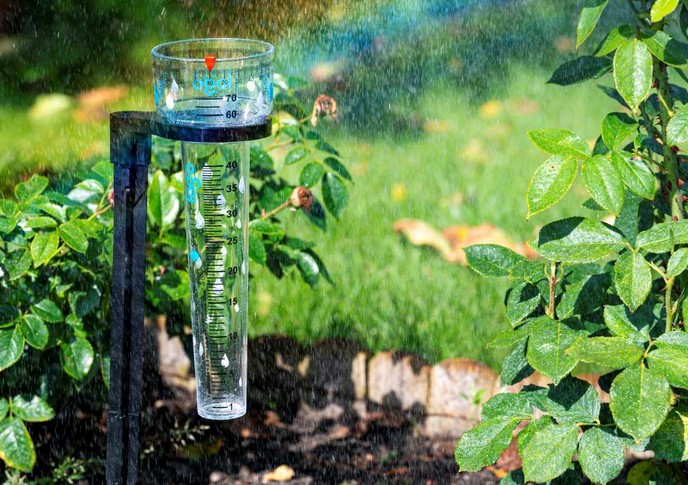
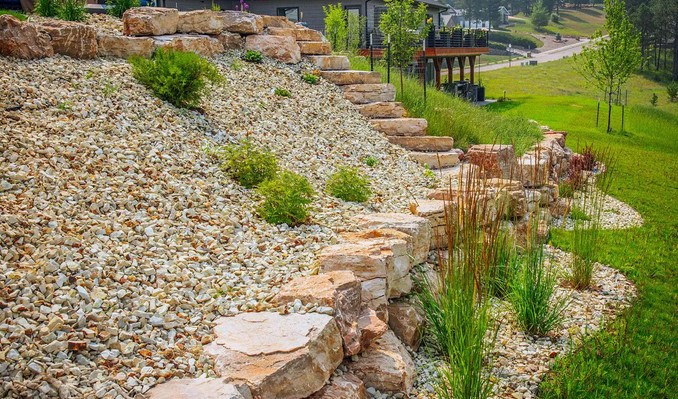
Last summer, I stood in a client’s backyard looking at a scorched patch of Kentucky Bluegrass right next to a literal swamp of overwatered hydrangeas. The homeowner was baffled; “The weather app said it rained an inch yesterday!” he exclaimed. I reached over, pulled a simple glass tube from a decorative stake in his flower bed, and showed him the truth: it hadn’t rained an inch at his house—it had rained barely a tenth of an inch.

In a world of localized microclimates, relying on a weather station five miles away at the airport is like trying to monitor your own heart rate by checking your neighbor’s pulse. If you want to stop wasting money on water bills and start growing a professional-grade landscape, you need to stop guessing. You need a Rain Gauge Garden strategy that transforms your outdoor space from a decorative plot into a data-driven ecosystem.


Why Your Local Forecast is Lying to You

Weather apps provide “regional averages.” However, in the home improvement world, we know that “micro-bursts” and “rain shadows” are real. Your house might sit in a dip that catches less moisture, or perhaps your neighbor’s tall oak trees create a dry zone on your property.

Think of your garden like a bank account. Rainfall is the deposit, and evaporation (evapotranspiration) is the withdrawal. If you don’t keep a ledger—a physical record of exactly how much water hit your specific soil—you are essentially spending blind. A Rain Gauge Garden setup provides the exact “deposit” slip you need to manage your landscape’s hydration balance.


The Technical Anatomy of a Precision Rain Gauge

Not all gauges are created equal. When I’m advising on a professional setup, I look past the decorative “cute” plastic ones and focus on the technical specs that ensure data integrity.

1. The Collection Aperture

A high-quality gauge should have a wide opening. The physics here is simple: a wider funnel minimizes the impact of wind-driven rain skipping over the top. For a Rain Gauge Garden to be accurate, the ratio between the collection area and the measurement tube must be calibrated perfectly to magnify the reading, allowing you to see increments as small as 0.01 inches.

2. Materials: Glass vs. UV-Stabilized Polycarbonate

  • Glass: Excellent for clarity and scratch resistance, but one freeze-thaw cycle in late autumn will shatter it.

  • Polycarbonate: This is my go-to recommendation. It’s nearly indestructible and won’t yellow or crack under the intense UV exposure of a July heatwave.

3. Mounting Stability

A gauge that wobbles in the wind provides “noisy” data. A professional mount should be level and plumb. If the gauge tilts even by 10%, your collection data can be off by as much as 15% because the effective “catch area” is reduced.


Strategic Placement: The “No-Obstacle” Rule

In my decade of experience, I’ve seen gauges placed under eaves, next to tall fences, or beneath tree canopies. These are all “dead zones.”

To get an accurate Rain Gauge Garden reading, you must follow the 2-to-1 Rule. If an obstacle (like your house or a shed) is 20 feet tall, your rain gauge should be at least 40 feet away from it. This ensures that “rain shadows” or “splash-back” from hard surfaces don’t corrupt your data.

[Image Suggestion: A diagram showing the 2:1 ratio for gauge placement relative to a house.]


Turning Data into Growth: The 1-Inch Standard

Most residential lawns and gardens require approximately 1 inch of water per week to maintain deep root health. Here is how you use your data to optimize your irrigation system:

  • Step 1: Check your gauge every Monday morning.

  • Step 2: If your Rain Gauge Garden shows 0.4 inches of rain fell over the weekend, you know your “hydration gap” is 0.6 inches.

  • Step 3: Calculate your sprinkler’s “precipitation rate” (how many minutes it takes to put down an inch) and run the system only long enough to cover that 0.6-inch deficit.

Analogy: Imagine trying to fill a bucket to a specific line while wearing a blindfold. That’s gardening without a gauge. Removing the blindfold allows you to stop the hose the second you hit the mark—saving money and preventing root rot.


Advanced Hydration Analysis: LSI Terms for the Pro-Sumner

If you’re moving into the “Intermediate” category, you need to look at more than just the water level. You need to consider Soil Infiltration Rates and Effective Rainfall.

  • Soil Saturation Point: If your gauge shows 2 inches of rain fell in 30 minutes, most of that was “runoff.” Your plants didn’t actually “drink” 2 inches because the soil couldn’t absorb it that fast.

  • Evapotranspiration (ET): On a 90°F day with 10% humidity, that inch of rain you caught might disappear from the soil in just 48 hours. A smart Rain Gauge Garden enthusiast tracks rainfall against heat waves to adjust watering frequency.


Scannable Maintenance Checklist

To keep your data accurate, follow this pro-level maintenance routine:

  • Clear Debris: Check the funnel weekly for bird droppings, spider webs, or pine needles that can block the flow.

  • Algae Prevention: Occasionally clean the tube with a mild soap solution. Algae growth can make the meniscus (the curve of the water) hard to read.

  • Level Check: Use a small spirit level once a month to ensure the stake hasn’t shifted in the soil.

  • Winterization: Unless you have a heated gauge, bring it inside before the first hard frost to prevent the base from cracking.


Expert Advice: The Hidden Warning

Tips Pro: Don’t buy a gauge that is too small. I’ve seen many “decorative” gauges that max out at 2 inches. During a heavy tropical storm or a severe thunderstorm, these will overflow in an hour, leaving you with no idea how much water actually hit your foundation. Look for a capacity of at least 5 to 7 inches.


The Financial Impact of Precise Monitoring

Why does this matter for home improvement? It’s about Asset Protection.

  1. Foundation Health: Overwatering near the house leads to soil expansion and foundation cracks.

  2. Plant Replacement Costs: Over-saturation is the #1 killer of expensive ornamental shrubs.

  3. Water Utility Savings: By watering only what is necessary based on your Rain Gauge Garden data, I’ve seen homeowners cut their summer water bills by 30% to 45%.


Conclusion: Become the Expert of Your Own Microclimate

Precision soil management isn’t just for commercial farmers. By implementing a dedicated Rain Gauge Garden strategy, you transition from a “reactive” gardener to a “proactive” environmental manager. You’ll stop over-stressing your plants and start protecting your home’s most valuable exterior assets with the power of real-time data.

Do you know exactly how much water your garden “earned” last week? If you’re still relying on the evening news for your rainfall totals, it’s time for an upgrade. Grab a high-quality polycarbonate gauge this weekend and start your ledger.

Have you noticed a “dry spot” in your yard that seems to defy the weather forecast? Let’s talk about it in the comments below—I’d love to help you troubleshoot your property’s microclimate!

Strategic Exterior Branding: Maximizing Property Value with Backyard Lighting Ideas

Source:https://www.ledyilighting.com

You’ve spent thousands on lush landscaping, a pristine deck, and the perfect outdoor kitchen. But the moment the sun dips below the horizon, your investment vanishes into a black hole. I’ve walked through countless properties where the owners felt their backyard was “missing something” despite the high-end finishes.

The truth? A dark backyard isn’t just a wasted space; it’s a security risk and a massive missed opportunity for property appraisal. In my 10 years of transforming exteriors, I’ve found that the right Backyard Lighting Ideas can increase a home’s perceived value by up to 20%. Lighting is the “makeup” of architecture—it hides the flaws and highlights the bone structure.


The “Layering” Philosophy: Why One Floodlight Isn’t Enough

Many homeowners make the mistake of installing a single, blinding security floodlight and calling it a day. This creates what I call the “prison yard effect”—harsh shadows and zero atmosphere.

Think of backyard lighting like an indoor theater. You don’t just have one giant light in the middle of the ceiling. You have spotlights for the actors, house lights for the audience, and accent lights for the set. To master Backyard Lighting Ideas, you must think in three distinct layers: Task, Accent, and Ambient.

The Anatomy of Outdoor Illumination

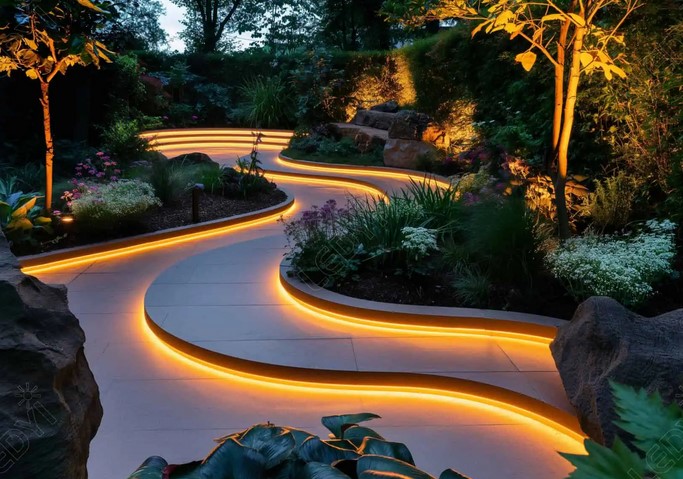
  • Ambient Lighting: This is your “base layer.” It provides a gentle wash of light so guests can see where they are walking without feeling like they are under interrogation.

  • Task Lighting: Focused beams for specific activities. Think of the grill station, the stairs, or the path to the fire pit.

  • Accent Lighting: This is where the magic happens. This is the light that grazes the bark of an ancient oak tree or silhouettes a beautiful statue.


High-ROI Backyard Lighting Ideas to Transform Your Space

When we talk about “Exterior Branding,” we are talking about creating a visual identity for your home. Here are the technical setups that provide the most bang for your buck.

1. Moonlighting: The Natural Canopy Effect

One of my favorite techniques is “Moonlighting.” We mount high-quality, warm-spectrum LED fixtures high up in the branches of large trees, aiming them downward.

The light filters through the leaves and branches, casting dappled shadows on the ground below. It mimics the look of a full moon every night of the year. It’s sophisticated, subtle, and incredibly effective at making a small backyard feel expansive.

2. Uplighting for Architectural Drama

If you have a stone facade or a unique textured wall, Uplighting is your best friend. By placing “bullet” or “well” fixtures at the base of the structure and aiming them upward, you emphasize the texture and height.

This technique creates “visual anchors” for the eye. From a technical perspective, ensure you are using fixtures with adjustable beam angles (15° to 60°) so you can control exactly how much of the wall is bathed in light.

3. Path and Step Lighting: Merging Safety with Style

Nothing kills a party faster than a guest tripping over a stray paver. Instead of “runway” lights—which look like a landing strip—stagger your path lights.

  • Pro Tip: Use “Louvered” step lights that are recessed into the wood or stone of your stairs. They throw light directly onto the tread of the step without glaring into the eyes of someone walking up.


Technical Specifications: Voltage, Lumens, and Kelvin

To execute these Backyard Lighting Ideas properly, you need to understand the “math” behind the glow.

Low Voltage vs. Line Voltage

For 95% of residential projects, I recommend a 12V Low-Voltage system.

  • Safety: It won’t give you a dangerous shock if you accidentally nick a wire while gardening.

  • Ease of Install: You only need to bury the wires 6 inches deep, unlike line voltage which requires conduits and deeper trenches.

  • Efficiency: Modern LED drivers (transformers) are incredibly efficient, costing just pennies a month to run.

The Color Temperature (Kelvin) Rule

This is where most beginners fail. If you buy “Daylight” bulbs (5000K+), your backyard will look like a cold, sterile hospital wing.

  • 2700K to 3000K (Warm White): This is the “Golden Hour” range. It makes wood look rich, stone look inviting, and skin tones look healthy. Stick to this range for 100% of your aesthetic lighting.


Scannable Checklist: How to Plan Your Lighting Layout

Before you start digging, run through this practical checklist to ensure your Backyard Lighting Ideas are structurally sound:

  • Identify Focal Points: Pick 3-5 items (a tree, a fountain, a wall) that deserve a spotlight.

  • Hide the Source: You want to see the effect of the light, not the bulb itself. Shielded fixtures are a must.

  • Check for Light Trespass: Make sure your lights aren’t shining directly into your neighbor’s bedroom window.

  • Use High-Quality Connectors: Most system failures happen at the wire junctions. Use heat-shrink or waterproof gel caps, not just electrical tape.

  • Calculate Transformer Load: Ensure your total wattage is at least 20% below the transformer’s maximum capacity to prevent burnout.


Expert Advice: The “Hidden” Value of Smart Controls

Tips Pro: Don’t rely on a manual switch. I always advise my clients to invest in an astronomical timer or a smart bridge. These systems automatically adjust for daylight savings and the changing sunset times throughout the year.


Analogi: The Backyard as a Living Room

Think of your backyard like your indoor living room. Without lamps, it’s just a dark box. You wouldn’t rely on a single fluorescent light in your kitchen to create a “vibe” for a dinner party, right?

The Backyard Lighting Ideas we’ve discussed are effectively the floor lamps, sconces, and candles of your outdoor room. They define the boundaries, create “zones” for conversation, and make the space feel finished rather than forgotten.


The Branding Win: First Impressions Count

From a real estate perspective, “Curb Appeal” usually refers to the front of the house. But “Backyard Branding” is what closes the deal. When a potential buyer looks out the window at 7:00 PM and sees a beautifully illuminated oasis, they aren’t just looking at a yard—they are looking at a lifestyle. They are seeing themselves hosting summer parties and relaxing after work. That emotional connection is what drives up property value.


Conclusion: Light Up Your Investment

Transforming your outdoor space doesn’t require a total overhaul. By strategically applying these Backyard Lighting Ideas, you can reclaim your property from the darkness and turn it into a high-value asset that shines 24/7.

What is the one feature in your backyard you wish you could see better at night? Is it that grand oak tree, the new stone patio, or the path to your garden? Start there. Pick one focal point this weekend and see how a single light can change your entire perspective.

Have a question about wire gauges or fixture placement? Drop a comment below—I’ve seen every lighting mishap in the book and I’m here to help you avoid them!

Precision Soil Management: Enhancing Horticultural Efficiency with the Soil Scoop Metal

Source:https://cdn11.bigcommerce.com

I’ve seen it a thousand times: a homeowner standing in the middle of a beautiful garden bed, struggling to transplant a delicate perennial with a standard flat garden trowel. They’re hacking away at the root ball, spilling expensive potting mix everywhere, and looking frustrated. Most people treat soil like dirt—something to just move around—but in my decade of professional landscaping and home improvement, I’ve learned that soil is a living infrastructure.

If you want to move soil with surgical precision without destroying the delicate mycorrhizal networks that keep your plants alive, you need to stop using a “spoon” and start using a “scoop.” Specifically, a high-quality Soil Scoop Metal tool. It is the unsung hero of the horticultural world, and it’s the difference between a garden that survives and one that thrives.


Why Your Standard Trowel is Failing You

Most beginners start their gardening journey with a flat or slightly curved trowel. While these are fine for digging a quick hole in loose sand, they are remarkably inefficient for actual soil management.

Think of a standard trowel like a dinner fork; it’s great for picking things up, but terrible for moving soup. When you are working with loose amendments, perlite-heavy potting mixes, or bulk mulch, you need a vessel, not just a blade. The Soil Scoop Metal is designed with deep, high sidewalls that allow you to transport material without the “spillage tax” that ruins your patio or walkways.

The Problem with Plastic Alternatives

I often see “bargain” plastic scoops in big-box stores. In my experience, these are a waste of money. Plastic flexes under the weight of wet clay and snaps when hitting a hidden rock. A metal construction—whether it’s stainless steel or cast aluminum—provides the rigid leverage needed to break through compacted soil crusts that plastic simply can’t touch.


Technical Deep-Dive: What Makes a Premium Soil Scoop Metal?

When you’re looking to upgrade your kit, don’t just look at the price tag. As an expert, I look for three specific technical attributes that define “horticultural efficiency.”

1. The Serrated Leading Edge

A professional-grade Soil Scoop Metal often features a sharpened or serrated edge along the side. This isn’t just for show. It’s designed to slice through “pot-bound” roots and open bags of mulch or soil without needing to reach for a utility knife.

2. Ergonomic Tang and Handle Geometry

The “tang” is where the metal scoop meets the handle. In cheap tools, this is a major fail point. I always recommend a full-tang or a heavy-duty reinforced neck. If you’re moving hundreds of pounds of soil over a weekend, you want a handle with a thumb rest to reduce carpal pressure.

3. Material Composition: Stainless vs. Aluminum

  • Stainless Steel: Heavier, but nearly indestructible and highly resistant to rust. Best for breaking hard ground.

  • Cast Aluminum: Lightweight and rust-proof. If you have a large garden and are doing a lot of “volume” scooping, this will save your wrists from fatigue.


Analogies in the Garden: The “Chef’s Knife” of Horticulture

To help my clients understand the value of this tool, I use the “Kitchen Analogy.” You can try to chop an onion with a butter knife, and eventually, you’ll get it done. But a Chef’s knife is weighted, balanced, and shaped specifically to make the task effortless.

The Soil Scoop Metal is the Chef’s knife of your garden shed. Its deep “U” shape holds the soil securely, much like a measuring cup, allowing you to place amendments exactly where they need to go—at the base of the plant—rather than scattering them across the leaves where they can cause fungal issues.


Maximizing Efficiency: Soil Management Strategies

Using the tool is one thing; managing your soil like a pro is another. Here is how I use a metal scoop to ensure 100% horticultural efficiency:

Precision Amendment Mixing

When you are “top-dressing” a plant with compost or slow-release fertilizer, precision is key.

  • Step 1: Use the scoop to create a localized trench around the drip line.

  • Step 2: Measure the amendment directly in the scoop (many metal scoops have volume markings inside).

  • Step 3: Pour with precision to avoid nitrogen burn on the plant’s stem.

Protecting the Root Architecture

When transplanting, the deep bowl of a Soil Scoop Metal allows you to lift the entire root ball along with its surrounding “native” soil. This reduces transplant shock significantly. By maintaining the soil-to-root contact during the move, you’re essentially giving the plant a “first-class seat” to its new home.


Scannable Pro-Tips for the Modern Gardener

If you’re ready to get your hands dirty, keep these expert insights in mind:

  • Avoid Rust: Even “rust-resistant” metal can corrode over years of exposure to acidic fertilizers. Always wipe your scoop dry after use.

  • The Sharpening Secret: Use a simple metal file once a year to hone the leading edge of your scoop. A sharp scoop cuts through soil like a hot knife through butter.

  • Leverage, Not Force: If you hit a rock, don’t pry with the tip of the scoop. Shift your grip to the base of the handle to use the tool’s natural geometry as a lever.

  • Potting Station Essential: Keep a dedicated Soil Scoop Metal in your potting soil bin. It prevents cross-contamination between different soil types.


Expert Advice: The Hidden Warning

The “Galvanized” Trap: Some budget metal scoops are made of cheap steel with a thin galvanized coating. Once that coating scratches—and it will, the first time you hit a stone—the tool will begin to rust from the inside out. Always opt for Solid Stainless Steel or Cast Aluminum if you want a tool that you can pass down to your children.


The Financial Impact of Better Tools

You might wonder, “Is it really worth spending $30 on a scoop when a trowel is $5?”

In my 10+ years of experience, the answer is a resounding yes.

  1. Reduced Plant Loss: Precision transplanting saves expensive nursery stock.

  2. Labor Savings: Moving soil 30% faster means you spend less time on chores and more time enjoying your landscape.

  3. Physical Longevity: Better ergonomics mean fewer trips to the chiropractor for wrist and back pain.


Conclusion: Take Control of Your Garden

Gardening shouldn’t be a battle against your tools. By integrating a Soil Scoop Metal into your workflow, you move from “digging holes” to “managing an ecosystem.” It is a simple upgrade that yields immediate results in the health of your plants and the efficiency of your labor.

What’s the oldest tool in your garden shed? Is it helping you work faster, or is it holding you back? If you’re tired of spilling soil and struggling with stubborn roots, it might be time to retire that old trowel.

Have you tried a serrated soil scoop before? Share your experience in the comments or let me know what garden frustration you’re tackling next!

Treehouse Play Zones: Create a Magical Outdoor Retreat

Source:https://media.hostunusual.com

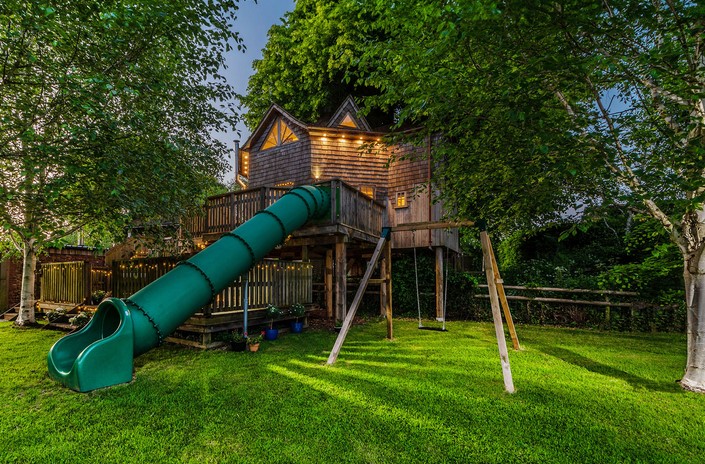
Creating a treehouse play zone is one of the most enchanting ways to transform your backyard into a whimsical outdoor retreat. Whether you want to create a magical hideaway for children, a serene spot for adults, or a place for family gatherings, a treehouse can be the perfect solution. Treehouse play zones offer a unique blend of nature, creativity, and adventure, encouraging both play and relaxation. By thoughtfully designing your treehouse, you can create a space that is not only functional but also inspiring. Let’s explore how you can create the ultimate treehouse play zone that blends fun, safety, and nature’s beauty.

Why Choose a Treehouse Play Zone?

When you envision a treehouse, it’s easy to think of childhood memories of secret forts or secluded spaces high above the ground. But the magic of a treehouse play zone extends beyond just nostalgia. There are many reasons to build a treehouse, particularly for children. A treehouse is an outdoor sanctuary where kids can engage in imaginative play, develop social skills, and connect with nature. Additionally, it provides a space to escape from the usual distractions of modern life, fostering independence and creativity in a safe, controlled environment.

For adults, a treehouse can become a cozy retreat, a space for meditation, or even a remote office in the midst of nature. Regardless of your age, a treehouse is an investment in both physical and mental well-being, offering a retreat from the ordinary.

Key Elements to Consider When Designing a Treehouse Play Zone

1. Location and Tree Selection

The first step in creating a treehouse play zone is to choose the right location. Not all trees are suitable for building a treehouse, so it’s essential to select sturdy, healthy trees with strong branches. Oak, pine, maple, and fir trees are among the best candidates due to their durability and strength. Avoid trees that have weak or decaying wood, as they may not be able to support the weight of the treehouse safely.

Once you’ve selected the perfect tree or trees, consider the surrounding environment. A treehouse should blend harmoniously with its natural surroundings, whether it’s perched near a bubbling creek, nestled in a forest, or sitting high above a field. The view from the treehouse will be a key feature, so it’s essential to think about both the aesthetics and the functionality of the space.

2. Safety Features

While the idea of a treehouse play zone is full of adventure, safety must always be the top priority. Ensure the treehouse is built with secure, reinforced supports that will withstand both the weight of the structure and the activity of the children who use it. Use non-toxic materials and finishes to protect your family from harmful chemicals.

Safety features such as sturdy railings, anti-slip ladders or stairs, and durable, weather-resistant platforms are essential. Install proper barriers to prevent children from falling, especially if the treehouse is raised several feet off the ground. Depending on the height of the treehouse, consider installing a soft landing zone below, such as mulch, grass, or rubber matting, to cushion any accidental falls.

Additionally, regular inspections and maintenance should be a part of your routine to ensure the treehouse remains safe and functional over time.

3. Design and Features

The design of the treehouse will depend on both the size of the trees and the intended use. You can opt for a simple platform or create a multi-story structure with different rooms, a rope bridge, swings, or even a climbing wall. The design possibilities are endless, and customization will depend on your space, budget, and the interests of the users.

Here are some features you may want to incorporate into your treehouse play zone:

  • Windows and Openings: A treehouse should feel open and connected to nature. Large windows or open sections of the wall will allow for airflow and scenic views. Some people like to add a small balcony or deck for additional outdoor space.
  • Climbing Structures and Ropes: Incorporating climbing walls or rope ladders can enhance the adventure aspect of the treehouse. These features help develop motor skills and offer a more dynamic play experience.
  • Balcony or Swing: If space permits, adding a small balcony or a hammock swing can increase the functionality and comfort of the treehouse. This gives users a place to sit and enjoy the surrounding environment.
  • Interactive Play Zones: Think about adding imaginative play areas such as a “kitchen,” “office,” or “reading nook” inside the treehouse. These areas help cultivate creativity and give children a sense of ownership and purpose.
  • Lights and Decor: Lighting can transform the atmosphere of the treehouse. Adding string lights or lanterns can make it feel like a magical space, especially in the evenings. Incorporate nature-inspired decorations to keep the space feeling cozy and connected to the outdoors.

Maximizing the Experience: Treehouse Play Zones for Families

A treehouse play zone can be a great space for family activities. By encouraging kids to play outside, you foster an appreciation for nature and outdoor living. Furthermore, treehouses can act as gathering places for family storytelling, birthday parties, or quiet moments spent reading together.

A well-designed treehouse encourages interaction with the natural world. Children can learn about trees, animals, and the changing seasons while they play. This connection to nature enhances their cognitive development and overall well-being. And, as a family space, the treehouse creates cherished memories for years to come.

Moreover, you can create themed play areas, incorporating elements like mini gardens, birdwatching stations, or art studios. These areas help nurture diverse interests, from science to creativity, all within the safe confines of your treehouse.

Building a treehouse play zone is an excellent way to create a magical outdoor retreat that offers both fun and a connection to nature. Whether you’re designing a space for children or an adult sanctuary, a treehouse can be a one-of-a-kind escape from the ordinary. By considering safety, design elements, and functionality, you can create a treehouse that brings joy to everyone who steps inside. A treehouse play zone isn’t just about the physical structure—it’s about the experiences and memories created within it. So go ahead, embrace the adventure, and start building the ultimate treehouse play zone that will become a treasured part of your outdoor space for years to come.

Modern Outdoor Fountains: Add a Touch of Elegance to Your Garden

Source : https://sayngon.com

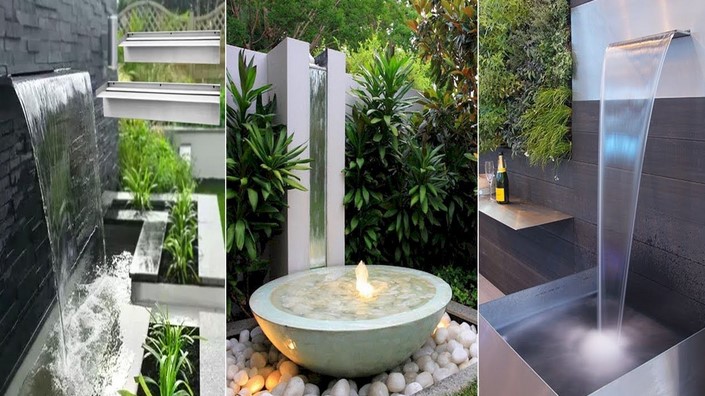
Modern Outdoor Fountains are a sophisticated addition to any garden, enhancing its aesthetic appeal and creating a serene atmosphere. These fountains, often crafted from materials like stone, metal, or glass, are not only visually stunning but also serve a functional purpose by circulating water. They come in a variety of designs, sizes, and styles, from minimalist to ornate, allowing homeowners to choose one that best complements their outdoor space. The soothing sound of flowing water from these fountains can transform a garden into a tranquil oasis, making it a perfect spot for relaxation. Modern Outdoor Fountains, therefore, not only add a touch of elegance to your garden but also contribute to a calming and peaceful environment.

Modern Outdoor Fountains: Add a Touch of Elegance to Your Garden

Modern outdoor fountains are increasingly becoming a popular choice for homeowners looking to add a touch of elegance to their gardens. These fountains, with their sleek designs and innovative features, not only enhance the aesthetic appeal of outdoor spaces but also create a serene and tranquil environment that can be enjoyed by all.

The beauty of modern outdoor fountains lies in their versatility. They come in a wide range of styles, sizes, and materials, allowing homeowners to choose a fountain that perfectly complements their garden’s design and layout. From minimalist, contemporary designs to more elaborate, intricate styles, there is a modern outdoor fountain to suit every taste and preference.

One of the most appealing aspects of modern outdoor fountains is their ability to transform any outdoor space into a peaceful oasis. The gentle, soothing sound of flowing water can help to create a calming atmosphere, perfect for relaxation and meditation. Moreover, the movement of water can also attract a variety of birds and wildlife to your garden, adding an element of nature and wildlife to your outdoor space.

In addition to their aesthetic appeal, modern outdoor fountains also offer a range of practical benefits. For instance, the movement of water in a fountain can help to improve air quality by releasing negative ions, which can help to reduce stress and promote a sense of well-being. Furthermore, outdoor fountains can also act as natural humidifiers, helping to maintain a comfortable humidity level in the surrounding area.

Modern outdoor fountains are also designed with ease of use and maintenance in mind. Many models come with built-in pumps and filtration systems, making them easy to install and maintain. Some fountains even feature solar-powered pumps, offering an eco-friendly alternative that can help to reduce energy consumption and save on electricity bills.

When it comes to materials, modern outdoor fountains offer a wide range of options. From durable, weather-resistant materials like stone and concrete to more lightweight options like fiberglass and resin, there is a material to suit every climate and garden style. Many modern fountains also incorporate elements of glass, metal, or ceramic, adding a touch of sophistication and elegance to their design.

Choosing the right modern outdoor fountain for your garden involves considering several factors. The size of the fountain should be proportionate to the size of your garden, and the style should complement the overall design of your outdoor space. It’s also important to consider the fountain’s water capacity and power source, as these factors can impact its performance and maintenance requirements.

In conclusion, modern outdoor fountains offer a unique combination of aesthetic appeal and practical benefits, making them an excellent addition to any garden. With their wide range of styles, sizes, and materials, these fountains can be tailored to suit any outdoor space, adding a touch of elegance and tranquility that can be enjoyed for years to come. Whether you’re looking to create a peaceful oasis for relaxation, attract wildlife to your garden, or simply enhance the aesthetic appeal of your outdoor space, a modern outdoor fountain could be the perfect solution.Modern Outdoor Fountains significantly enhance the aesthetic appeal of gardens, adding a touch of elegance and sophistication. They serve as a focal point, drawing attention and creating a serene, relaxing atmosphere. Their modern designs blend well with various garden styles, making them a versatile addition to any outdoor space.

Rug Revamp: Home Depot Outdoor Rugs to Transform Your Space

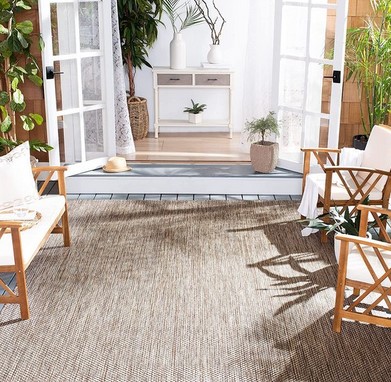
Rug Revamp: Home Depot Outdoor Rugs to Transform Your Space is a great way to add a touch of style and sophistication to your outdoor space. Whether you’re looking to spruce up your patio, deck, or garden, Home Depot has a wide selection of outdoor rugs to choose from. From classic designs to modern prints, you’ll be sure to find the perfect rug to fit your style. With a variety of sizes, colors, and materials, you can easily find the perfect rug to fit your outdoor space. With Rug Revamp, you can easily transform your outdoor space into a stylish and inviting area.
How to Choose the Perfect Outdoor Rug for Your Home: Tips and Tricks from Rug Revamp

When it comes to choosing the perfect outdoor rug for your home, there are a few tips and tricks to keep in mind. Rug Revamp has compiled a list of helpful advice to ensure you make the best decision for your outdoor space.

First, consider the size of the rug. It’s important to measure the area you plan to place the rug in order to determine the size you need. Make sure to leave a few inches of space around the edges of the rug to ensure it fits properly.

Second, think about the material. Outdoor rugs are typically made from synthetic materials such as polypropylene, olefin, and polyester. These materials are designed to be durable and resistant to fading, mold, and mildew.

Third, consider the color and pattern. Choose a color and pattern that will complement your outdoor furniture and decor. If you’re looking for a more subtle look, opt for a solid color rug. If you want to make a statement, choose a patterned rug.

Fourth, think about the texture. Outdoor rugs come in a variety of textures, from flat-weave to shag. Choose a texture that will feel comfortable underfoot and will be easy to clean.

Finally, consider the price. Outdoor rugs come in a range of prices, so it’s important to find one that fits your budget.

By following these tips and tricks from Rug Revamp, you can be sure to find the perfect outdoor rug for your home. With the right size, material, color, pattern, texture, and price, you can create an outdoor space that you’ll love for years to come.

Get Creative with Your Outdoor Space: Ideas for Styling with Rug Revamp Rugs

Creating an inviting outdoor space can be a challenge, but with the right accessories, it can be transformed into a stylish and comfortable area. Rug Revamp Rugs offer a great way to add a unique touch to any outdoor space. These rugs are made from recycled plastic bottles, making them an eco-friendly choice. They are also durable and easy to clean, making them perfect for outdoor use.

One way to use Rug Revamp Rugs to create a stylish outdoor space is to use them as a base for furniture. Place the rug in the center of the space and arrange furniture around it. This will create a cozy and inviting atmosphere. Choose furniture in complementary colors to the rug to create a cohesive look.

Another way to use Rug Revamp Rugs is to create a focal point. Place the rug in the center of the space and arrange furniture around it. This will create a focal point that will draw the eye and make the space feel more inviting. Choose furniture in complementary colors to the rug to create a cohesive look.

Finally, Rug Revamp Rugs can be used to create a cozy seating area. Place the rug in the center of the space and arrange chairs and a table around it. This will create a comfortable and inviting area for entertaining or relaxing. Choose furniture in complementary colors to the rug to create a cohesive look.

By using Rug Revamp Rugs, you can create a stylish and inviting outdoor space. These rugs are durable, easy to clean, and eco-friendly, making them the perfect choice for any outdoor space. With a few simple accessories, you can transform your outdoor space into a stylish and comfortable area.Rug Revamp: Home Depot Outdoor Rugs to Transform Your Space is a great way to add a unique and stylish touch to any outdoor space. With a wide variety of colors, patterns, and sizes, Home Depot has something for everyone. Whether you’re looking for a classic look or something more modern, Home Depot has the perfect outdoor rug for you. With the help of Rug Revamp, you can easily transform your outdoor space into a beautiful and inviting area.

Fence Fashion: Wooden Fence Ideas for Stylish Boundaries

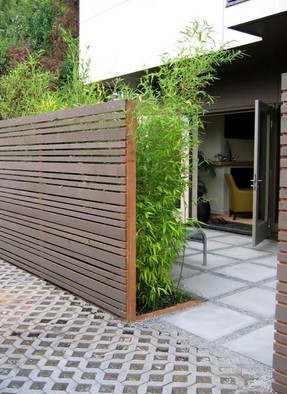
Fence Fashion: Wooden Fence Ideas for Stylish Boundaries is a comprehensive guide to creating stylish and functional wooden fences for your home. Whether you’re looking for a classic picket fence, a modern horizontal fence, or something more unique, this guide will provide you with the information you need to make the best decision for your home. With detailed instructions and helpful tips, you’ll be able to create a fence that is both beautiful and practical. From choosing the right materials to installing the fence, this guide will help you create a fence that will last for years to come.

How to Choose the Right Wooden Fence for Your Home: Tips for Finding the Perfect Style and Design

When it comes to choosing the right wooden fence for your home, there are a few key factors to consider. From style and design to material and installation, it’s important to take the time to research and select the perfect fence for your home. Here are some tips to help you find the perfect wooden fence for your home.

First, consider the style and design of the fence. Wooden fences come in a variety of styles, from picket fences to privacy fences. Consider the look and feel you want to create in your yard and choose a style that complements your home’s architecture.

Next, consider the material of the fence. Wood is a popular choice for fences, but there are other materials available, such as vinyl and metal. Consider the climate in your area and the amount of maintenance you’re willing to do to determine the best material for your fence.

Finally, consider the installation of the fence. If you’re not comfortable installing the fence yourself, it’s best to hire a professional. Make sure to research local contractors and get quotes to ensure you’re getting the best deal.

By taking the time to consider these factors, you can find the perfect wooden fence for your home. With the right style and design, material, and installation, you can create a beautiful and functional fence that will last for years to come.

Creative Ways to Incorporate Wooden Fences into Your Landscaping Design: Ideas for Enhancing Your Outdoor Space

Wooden fences are a classic and timeless way to add a touch of beauty and privacy to any outdoor space. With a little creativity, wooden fences can be used to enhance the look and feel of your landscaping design. Here are some ideas for incorporating wooden fences into your landscaping design to create a unique and inviting outdoor space.

1. Create a Focal Point: Wooden fences can be used to create a focal point in your landscaping design. Consider using a wooden fence to frame a garden bed, patio, or other outdoor feature. This will draw the eye to the feature and create a beautiful and inviting outdoor space.

2. Add Privacy: Wooden fences are a great way to add privacy to your outdoor space. Consider using a wooden fence to create a private area for entertaining or relaxing. This will give you a sense of seclusion and create a cozy atmosphere.

3. Create a Pathway: Wooden fences can be used to create a pathway through your landscaping design. Consider using a wooden fence to create a winding path through your garden or yard. This will add interest and texture to your outdoor space.

4. Add Color: Wooden fences can be painted or stained to add color to your landscaping design. Consider using a bright color to create a vibrant and inviting outdoor space.

5. Create a Barrier: Wooden fences can be used to create a barrier between different areas of your landscaping design. Consider using a wooden fence to separate a garden bed from a patio or other outdoor feature. This will create a sense of separation and add structure to your outdoor space.

By incorporating wooden fences into your landscaping design, you can create a unique and inviting outdoor space. With a little creativity, wooden fences can be used to enhance the look and feel of your landscaping design.Fence Fashion: Wooden Fence Ideas for Stylish Boundaries is a great resource for anyone looking to add a stylish and unique touch to their outdoor space. With a variety of styles, colors, and materials to choose from, there is something for everyone. Whether you are looking for a classic picket fence or a modern horizontal slat fence, you can find the perfect fence to fit your needs. With the help of Fence Fashion, you can create a beautiful and stylish boundary that will last for years to come.

Best Weed Eaters for your Garden

<2017/05/Best-Weed-Eaters-for-your-Garden.jpg">

A weed eater additionally referred to as a weed-wacker or string trimmer, is a vital gardening device. Those tools will prevent both money and time and makes it a lot easier to hold a weed loose lawn or backyard.

String trimmers are to be had from all the huge gardening device groups, and from a distance, all of them look more or less identical. this could make you suspect that it does not remember which one you buy — but on the subject of usability, effectiveness, and durability, some of them simply shines via as better.

It is now not always depending on the rate. I’ve had true reasonably-priced weed eaters and high-priced clunky ones.

Which brand makes the quality trimmers?

Like with all other equipment and gardening equipment, and different stuff for that remember, there are fine differences between the numerous manufacturers and models. Even the first-class brands have decently charged entry level fashions, so an amazing weed eater doesn’t have to interrupt the financial institution.

What you have to ask yourself, is how regularly you’ll use it. the dimensions of the region (your garden, outside or park place) are also crucial. Our section underneath covers each group of fashions (battery, corded or gas-driven). They all have their blessings and drawbacks.

We’ve endorsed some models above. you may click on at the person products and read greater, and you may also take a look at out the products on Amazon or other online outlets. They provide opinions from validated shoppers.

Read The (Best Weed Eaters) Link Guide.

Weed Eater Brands

1. Ego
2. Black Decker
3. Echo
4. Ryobi
5. Husqvarna
6. Tanaka

Concrete Planter Boxes: Crafting Modern and Elegant Plant Containers

Concrete planter boxes are a great way to add a modern and elegant touch to any outdoor space. They are perfect for creating a beautiful and unique garden, or for adding a touch of style to a patio or balcony. Concrete planter boxes are durable, easy to maintain, and come in a variety of shapes and sizes. They can be used to create a variety of looks, from modern and sleek to rustic and natural. With a little creativity, you can create a stunning outdoor space with concrete planter boxes.

How to Create a Stylish Concrete Planter Box for Your Home: Tips and Tricks for Designing a Unique and Eye-Catching Container

Creating a stylish concrete planter box for your home is a great way to add a unique and eye-catching container to your outdoor space. With a few simple tips and tricks, you can design a planter box that will be the envy of your neighborhood.

First, decide on the size and shape of your planter box. Consider the size of the space you have available and the type of plants you plan to grow. If you’re looking for a more modern look, opt for a rectangular or square shape. If you’re going for a more traditional look, a round or oval shape may be more suitable.

Next, choose the type of concrete you’d like to use. There are a variety of concrete mixes available, so you can find one that suits your needs. If you’re looking for a more durable option, consider using a mix with a higher cement content.

Once you’ve chosen the type of concrete, you’ll need to prepare the area where you’ll be placing the planter box. Make sure the area is level and free of debris. If you’re using a pre-made form, make sure it’s securely fastened to the ground.

Now it’s time to mix the concrete. Follow the instructions on the package and mix the concrete until it’s the consistency of thick oatmeal. Once the concrete is ready, pour it into the form and spread it evenly.

Once the concrete has set, you can add any decorative touches you’d like. Consider adding a pattern or texture to the surface of the planter box. You can also add color to the concrete by using concrete dye or paint.

Finally, you’ll need to seal the planter box to protect it from the elements. Use a concrete sealer to protect the surface and keep it looking great for years to come.

With these tips and tricks, you can create a stylish concrete planter box for your home that will be the envy of your neighborhood. With a little bit of creativity and effort, you can create a unique and eye-catching container that will add beauty and style to your outdoor space.

The Benefits of Using Concrete Planter Boxes: Why You Should Consider Adding These Durable and Versatile Plant Containers to Your Garden

Concrete planter boxes are an excellent choice for gardeners looking to add a durable and versatile container to their outdoor space. These planters are made from a mixture of cement, sand, and water, and are designed to withstand the elements and last for many years. They are also available in a variety of shapes, sizes, and colors, making them a great choice for any garden.

Concrete planter boxes are incredibly durable and can withstand extreme temperatures, heavy rains, and strong winds. This makes them ideal for outdoor use, as they will not be damaged by the elements. Additionally, they are resistant to pests and other animals, making them a great choice for those looking to keep their plants safe from harm.

Concrete planter boxes are also incredibly versatile. They can be used to create a variety of different looks, from modern and contemporary to rustic and traditional. They can also be used to create raised beds, which can be used to grow vegetables, herbs, and flowers. Additionally, they can be used to create a unique and attractive focal point in any garden.

Finally, concrete planter boxes are relatively inexpensive and easy to install. They can be purchased at most home improvement stores and are relatively easy to install. Additionally, they require minimal maintenance, making them a great choice for those looking for a low-maintenance garden.

In conclusion, concrete planter boxes are an excellent choice for gardeners looking to add a durable and versatile container to their outdoor space. They are incredibly durable, versatile, and easy to install, making them a great choice for any garden. Additionally, they are relatively inexpensive and require minimal maintenance, making them a great choice for those looking for a low-maintenance garden.

Conclusion

Concrete planter boxes are a great way to add modern and elegant style to any outdoor space. They are durable, easy to maintain, and come in a variety of shapes and sizes. With a little creativity, you can create a unique and stylish planter box that will be the perfect addition to your garden or patio. Whether you are looking for a simple and classic design or something more elaborate, concrete planter boxes are a great choice for adding a touch of style to your outdoor space.

Vegetable Garden Design Ideas: Creating Productive and Aesthetic Spaces

Vegetable garden design ideas are a great way to create a productive and aesthetically pleasing outdoor space. Whether you are a beginner or an experienced gardener, there are many creative and practical ways to design a vegetable garden that will provide you with a bounty of fresh produce. From raised beds and container gardens to vertical gardens and companion planting, there are a variety of vegetable garden design ideas to choose from. With careful planning and thoughtful design, you can create a vegetable garden that is both productive and beautiful.

How to Maximize Space and Efficiency in Your Vegetable Garden Design

Creating a vegetable garden that is both efficient and maximizes space can be a challenge. However, with careful planning and design, it is possible to create a garden that is both productive and aesthetically pleasing. Here are some tips to help you maximize space and efficiency in your vegetable garden design.

First, consider the size and shape of your garden. If you have a small space, you may want to opt for a raised bed garden. This type of garden is ideal for small spaces because it allows you to grow more plants in a smaller area. Additionally, raised beds are easier to maintain and can be customized to fit your needs.

Second, plan your garden layout carefully. When planning your garden, consider the size and shape of the plants you will be growing. For example, if you are growing tomatoes, you may want to plant them in a row or in a circular pattern. This will help you maximize the space in your garden and ensure that your plants get the sunlight they need.

Third, choose the right plants for your garden. When selecting plants for your garden, consider the amount of sunlight they need and the amount of space they will take up. Additionally, consider the type of soil you have and the amount of water your plants will need. This will help you choose plants that are best suited for your garden.

Finally, use vertical gardening techniques. Vertical gardening is a great way to maximize space in your garden. By using trellises, stakes, and other vertical structures, you can create a garden that is both efficient and aesthetically pleasing.

By following these tips, you can create a vegetable garden that is both efficient and maximizes space. With careful planning and design, you can create a garden that is both productive and aesthetically pleasing.

Utilizing Color and Texture to Enhance Your Vegetable Garden Design Aesthetics

When designing a vegetable garden, color and texture are two important elements to consider. Color can be used to create visual interest and texture can be used to add depth and dimension to the garden. By utilizing both color and texture, you can create a garden that is aesthetically pleasing and inviting.

Color can be used to create a sense of vibrancy and energy in the garden. Brightly colored vegetables such as tomatoes, peppers, and squash can be used to create a vibrant and lively atmosphere. Cooler colors such as greens and blues can be used to create a calming and peaceful atmosphere. Additionally, flowers can be used to add pops of color and attract pollinators to the garden.

Texture can be used to add depth and dimension to the garden. Different types of foliage can be used to create a variety of textures. For example, coarse foliage such as grasses and ferns can be used to create a textured backdrop for the garden. Additionally, vegetables with different shapes and sizes can be used to create a variety of textures.

By utilizing both color and texture, you can create a vegetable garden that is aesthetically pleasing and inviting. Color can be used to create visual interest and texture can be used to add depth and dimension to the garden. With careful consideration of both color and texture, you can create a garden that is both beautiful and functional.

Conclusion

Vegetable garden design ideas can help create productive and aesthetically pleasing spaces. With careful planning and consideration of the available space, soil, and climate, gardeners can create a garden that is both productive and beautiful. By incorporating elements such as raised beds, companion planting, and vertical gardening, gardeners can maximize their space and create a garden that is both productive and aesthetically pleasing. With the right design, vegetable gardens can be a source of joy and nourishment for years to come.

Gardening Ideas on a Budget: Transforming Your Outdoor Space Affordably

Gardening is a great way to transform your outdoor space into a beautiful and inviting area. But it can be expensive to create the perfect garden. Fortunately, there are plenty of gardening ideas on a budget that can help you create a stunning outdoor space without breaking the bank. From creative DIY projects to budget-friendly plants and materials, this guide will provide you with plenty of ideas to help you transform your outdoor space affordably.

5 Creative Ways to Transform Your Garden on a Budget

1. Repurpose Old Furniture: If you have old furniture lying around, you can easily repurpose it to give your garden a new look. Paint it in bright colors and add cushions for a comfortable seating area.

2. Plant a Vertical Garden: Vertical gardens are a great way to add color and texture to your garden without breaking the bank. You can use old pallets, trellises, or even hanging baskets to create a unique and eye-catching display.

3. Add Lighting: Lighting can transform your garden into a magical place. You can use solar-powered lights, string lights, or even candles to create a cozy atmosphere.

4. Create a Pathway: Pathways are a great way to add interest to your garden. You can use stones, bricks, or even wood chips to create a unique pathway.

5. Add Colorful Containers: Containers are a great way to add color and texture to your garden. You can use old pots, buckets, or even tires to create a unique display.

How to Reuse and Recycle Materials for Garden Projects on a Budget

Creating a garden can be a rewarding and enjoyable experience, but it can also be expensive. Fortunately, there are many ways to reuse and recycle materials to create beautiful and unique garden projects on a budget.

One of the most cost-effective ways to create garden projects is to use recycled materials. For example, old tires can be used to create planters or raised beds. Wooden pallets can be used to create vertical gardens or trellises. And old furniture can be repurposed into seating or decorative pieces.

Another great way to save money on garden projects is to reuse materials. For example, old glass jars can be used to create terrariums or hanging planters. Plastic bottles can be used to create self-watering planters. And old fabric can be used to create colorful flags or banners.

Finally, it is possible to find materials for free or at a low cost. For example, many local nurseries and garden centers offer free mulch or compost. Local hardware stores often have scrap wood that can be used for raised beds or trellises. And many communities have free recycling programs that offer materials such as plastic bottles, glass jars, and fabric.

By using recycled and reused materials, it is possible to create beautiful and unique garden projects on a budget. With a little creativity and resourcefulness, it is possible to create a garden that is both beautiful and affordable.

Conclusion

Gardening on a budget can be a great way to transform your outdoor space without breaking the bank. With a little creativity and some research, you can find affordable ways to create a beautiful garden that will last for years to come. Whether you’re looking for a low-maintenance garden or a more elaborate design, there are plenty of gardening ideas on a budget that can help you achieve the look you want. With a little bit of effort and some careful planning, you can create a stunning outdoor space that you can enjoy for years to come.

Cement Pots: Crafting Modern and Minimalistic Plant Containers

Cement pots are a modern and minimalistic way to bring a touch of nature into your home. They are perfect for those who want to add a unique and stylish look to their home decor. Cement pots are made from a combination of cement, sand, and water, and are available in a variety of shapes and sizes. They are lightweight, durable, and easy to maintain. With a little creativity, you can create a beautiful and unique planter that will last for years. Whether you are looking for a modern and minimalistic look or something more rustic and natural, cement pots are a great choice.

How to Create a Modern and Minimalistic Cement Pot for Your Home

Creating a modern and minimalistic cement pot for your home is a great way to add a unique and stylish touch to your interior decor. With a few simple steps, you can create a beautiful and eye-catching pot that will be the perfect addition to any room.

First, you will need to gather the necessary materials. You will need cement, a bucket, a mixing tool, a mold, and a sealant. Once you have all of your materials, you can begin the process of creating your pot.

Start by mixing the cement in the bucket according to the instructions on the package. Once the cement is mixed, pour it into the mold. Make sure to fill the mold completely and evenly. Once the cement is in the mold, use a mixing tool to smooth out the surface.

Once the cement is dry, you can remove it from the mold. If you want to add a unique touch to your pot, you can use a sealant to give it a glossy finish. This will help to protect the pot from water damage and give it a modern and minimalistic look.

Finally, you can place your pot in your home. It will be the perfect addition to any room and will add a unique and stylish touch to your interior decor. With a few simple steps, you can create a modern and minimalistic cement pot for your home.

The Benefits of Using Cement Pots for Plant Containers: Why They’re the Perfect Choice for Your Home

Cement pots are an excellent choice for plant containers, offering a range of benefits that make them the perfect choice for your home.

First, cement pots are incredibly durable. Cement is a strong material that is resistant to cracking, chipping, and other damage. This makes them ideal for outdoor use, as they can withstand the elements without deteriorating. Additionally, cement pots are lightweight, making them easy to move around your garden or patio.

Second, cement pots are aesthetically pleasing. They come in a variety of colors and styles, allowing you to choose the perfect pot for your home. Cement pots also have a unique texture that adds visual interest to your garden or patio.

Third, cement pots are easy to maintain. They are non-porous, meaning they won’t absorb water or other liquids. This makes them easy to clean and prevents the growth of mold and mildew. Additionally, cement pots are resistant to staining, so you don’t have to worry about dirt or other debris ruining the look of your pot.

Finally, cement pots are affordable. They are typically less expensive than other types of plant containers, making them a great choice for those on a budget.

Overall, cement pots are an ideal choice for plant containers. They are durable, aesthetically pleasing, easy to maintain, and affordable. With all these benefits, it’s easy to see why cement pots are the perfect choice for your home.

Conclusion

Cement pots are a great way to add a modern and minimalistic touch to any home or garden. They are easy to make, affordable, and can be customized to fit any style. With a little creativity and imagination, cement pots can be used to create beautiful and unique plant containers that will last for years to come.

Innovative Outdoor Flower Pot Ideas to Add Color to Your Outdoor Space

Source : https://images.seattletimes.com

When it comes to enhancing the aesthetic appeal of your outdoor space, flower pots can be powerful tools. These versatile containers not only hold your favorite blooms but also contribute to the overall ambiance of your garden, patio, or balcony. In recent years, the world of outdoor flower pots has witnessed a surge in creativity and innovation. Gardeners and homeowners are now exploring novel ways to elevate their outdoor spaces using unique and captivating pot ideas. In this article, we’ll delve into some innovative outdoor flower pot ideas that can add a burst of color and personality to your outdoor haven.

1. Vertical Gardens with Hanging Pots

Vertical gardens have gained significant popularity due to their space-saving nature and captivating appearance. To create a vertical garden, consider using hanging flower pots. These pots can be suspended from walls, fences, or trellises, instantly transforming a plain vertical surface into a lush, living work of art. Select a variety of flowers with contrasting colors and shapes to create an eye-catching arrangement that’s sure to impress your guests.

2. Repurposed Containers for Eclectic Charm

Give your outdoor space a unique touch by repurposing old containers as flower pots. Vintage teacups, wooden crates, and even discarded tires can be transformed into charming plant holders. This eco-friendly approach not only adds a touch of nostalgia to your garden but also contributes to reducing waste. Choose containers that resonate with your personal style and watch as they breathe new life into your outdoor area.

3. Tiered Plant Stands for Elegance

Tiered plant stands are an elegant way to display your favorite flowers while making the most of limited space. These multi-level stands provide an opportunity to showcase different plant varieties in a visually appealing arrangement. You can opt for metal, wood, or even glass stands, depending on your preferred aesthetic. Experiment with varying heights and colors to create a captivating display that draws attention from every angle.

4. Whimsical Fairy Tale Garden Pots

Transport yourself to a world of magic and fantasy by incorporating whimsical fairy tale elements into your outdoor space. Choose flower pots shaped like enchanted castles, mythical creatures, or fairy houses. These imaginative pots add a touch of playfulness and wonder to your garden, making it a delightful place for both children and adults to enjoy. Pair these pots with vibrant and colorful blooms to complete the fairy tale atmosphere.

5. Terrarium-Inspired Miniature Gardens

Miniature gardens, inspired by the concept of terrariums, offer a captivating way to showcase intricate landscapes within a small space. Choose shallow, wide pots and create tiny gardens with miniature plants, tiny figurines, and decorative elements like pebbles and miniature furniture. These miniature landscapes provide an opportunity for creativity and personalization, allowing you to craft your own little world right in your flower pot.

6. Color-Blocked Pots for Modern Sophistication

If you’re a fan of modern design, consider incorporating color-blocked flower pots into your outdoor decor. Choose pots in bold, solid colors that complement your overall design scheme. Whether you’re going for a monochromatic look or a vibrant contrast, color-blocked pots can make a bold statement and add a contemporary touch to your outdoor space.

7. Hanging Basket Cones for Dramatic Elegance

For a touch of dramatic elegance, opt for hanging basket cones. These unique pots resemble upside-down cones, allowing plants to spill gracefully over the sides. Choose trailing flowers with vibrant colors to create a mesmerizing waterfall effect. Hang these cones from pergolas, gazebos, or even tree branches to infuse your outdoor space with an enchanting allure.

8. Wheelbarrow and Wagon Planters for Rustic Flair

Add a rustic and nostalgic vibe to your garden by using old wheelbarrows or wagons as planters. These larger containers provide ample space for a mix of flowers, allowing you to create a lush and bountiful arrangement. Their weathered appearance and historical significance bring character to your outdoor space, making them ideal focal points in any garden.

9. Geometric Shapes for Contemporary Appeal

Geometric-shaped flower pots are a wonderful way to add contemporary appeal to your outdoor area. Triangles, hexagons, and cubes can be filled with a variety of plants to create a visually striking arrangement. These pots are particularly effective when used in groups, allowing you to experiment with different shapes and sizes to achieve a modern and cohesive look.

10. Hanging Glass Orbs for Airy Elegance

Create an ethereal atmosphere with hanging glass orbs that house delicate air plants or trailing flowers. These transparent containers add a touch of lightness and elegance to your outdoor space, allowing you to enjoy the beauty of your plants from different angles. Hang them at different heights to create a floating garden effect that’s both captivating and dreamlike.

In conclusion, outdoor flower pots have evolved from simple plant holders to captivating art pieces that can transform your outdoor space into a vibrant oasis. From vertical gardens to repurposed containers and whimsical designs, the possibilities are endless. By experimenting with these innovative flower pot ideas, you can add a burst of color, personality, and charm to your outdoor haven, creating a space that reflects your unique style and brings joy to everyone who visits. So, don’t hesitate to explore these creative ideas and watch your outdoor space blossom into a true masterpiece of design and nature.

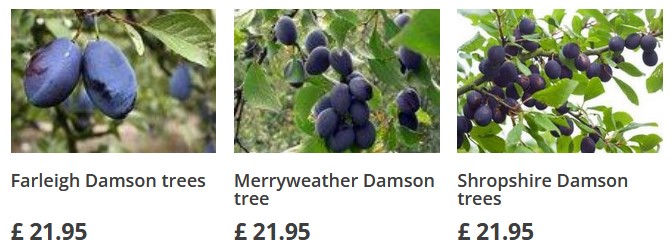
Exploring the Delights of Adding a Damson Tree to Your Garden

In the enchanting world of gardening, few experiences are as rewarding as nurturing your own fruit-bearing trees. If you’re contemplating enriching your garden with a touch of elegance and deliciousness, why not consider a damson tree? This blog post aims to offer you valuable insights into the world of damson trees, catering to gardening enthusiasts of all ages and backgrounds who are interested in embracing sustainable living.

The Beauty of Damson Trees:

A damson tree, scientifically known as Prunus domestica subsp. insititia, is a small fruit tree renowned for its enchanting blossoms in spring and abundant fruit in late summer. The damson’s deep purple hue and distinctive sweet-tart flavor make it a coveted addition to gardens across urban, suburban, and rural landscapes.

Ageless Appeal for All:

Whether you’re a young adult with a burgeoning interest in gardening or a retiree seeking a fulfilling hobby, the damson tree’s allure is ageless. Its charming presence appeals to all genders and provides an opportunity to cultivate a connection with nature. Planting and nurturing a damson tree can become an engaging and therapeutic journey, fostering a sense of accomplishment and well-being.

Location Matters:

The versatility of damson trees shines when it comes to their adaptability to various locations. Urban dwellers can delight in growing these trees in containers on balconies, while those in suburban or rural settings can enjoy the luxury of space to plant these trees directly into the ground. Damson trees flourish in full sunlight and well-draining soil, making them a viable option for gardens of all types.

Nurturing Self-Sufficiency:

For those inclined toward self-sufficiency and sustainable living, a damson tree can be a valuable asset. Homegrown damson fruits can be transformed into jams, jellies, and preserves, reducing your reliance on store-bought alternatives. This not only provides a sense of accomplishment but also contributes to a more sustainable lifestyle by reducing food miles and packaging waste.

Cultivating Connection to Nature:

Gardening, including nurturing a damson tree, is an opportunity to reconnect with nature in our fast-paced world. The act of planting, caring for, and observing the growth of a tree creates a sense of mindfulness and tranquility. It’s a chance to witness the changing seasons, from the delicate blossoms of spring to the fruitful abundance of summer, fostering a deeper appreciation for the natural world.

As you contemplate adding a damson tree to your garden, remember that this endeavor is more than just a horticultural pursuit; it’s a journey of connection, sustainability, and self-discovery. Regardless of your age, gender, or location, the charm of a damson tree can infuse your garden with beauty and flavor. So, whether you’re a young adult seeking a fulfilling hobby or a retiree embracing the joys of sustainable living, the damson tree beckons, inviting you to cultivate not just a tree, but a deeper bond with nature itself.

Transform Your Garden with these Stunning Outdoor Flower Pot Ideas

Welcome to a world of blooming creativity and natural beauty! Explore our collection of outdoor flower pot ideas to elevate your garden or patio into a colorful paradise. Whether you have a green thumb or are just beginning your gardening journey, these inspiring ideas will help you transform ordinary spaces into vibrant, living works of art.

Source : https://www.thespruce.com

A garden is more than just a patch of green; it’s a canvas waiting to be painted with the vibrant colors of nature. One of the most versatile and creative ways to elevate the beauty of your garden is by using outdoor flower pots. These stunning pots not only hold an array of blooming wonders but also serve as decorative pieces in their own right. In this article, we’ll delve into a plethora of outdoor flower pot ideas that can transform your garden into a breathtaking oasis of floral charm.

1. Terra Cotta Classics

Terra cotta pots are timeless classics that seamlessly blend with any garden style. Their rustic charm adds an earthy elegance to the surroundings. These pots are excellent for herbs, succulents, and colorful annuals. Consider arranging a variety of terra cotta pots in different sizes to create an engaging visual display.

2. Vertical Gardens

Limited space should never hinder your gardening dreams. Vertical gardens utilize wall space, allowing you to enjoy a garden even in a small area. Use wall-mounted pots and hanging containers to create a cascade of blooms that captivate the eye. Flowers like petunias, ivy, and small ferns work wonders in vertical arrangements.

3. Whimsical Watering Cans

Upcycling is not only environmentally friendly but also adds a touch of whimsy to your garden. Transform old watering cans into unique flower pots. Fill them with colorful blossoms and hang them from branches or fence posts. The contrast between the rustic cans and the vibrant flowers creates a charming focal point.

4. Majestic Macrame Hangers

Macrame hangers are a nostalgic nod to the ’70s, and they’ve made a stylish comeback in modern garden decor. Hang decorative pots from intricately woven macrame hangers to infuse a bohemian vibe into your garden. Choose plants with trailing vines for an enchanting effect as they drape down from their elevated perches.

5. Bold Geometric Designs

For a contemporary touch, opt for outdoor flower pots with bold geometric designs. Angular pots provide a striking contrast to the organic shapes of plants, creating an eye-catching visual dynamic. These pots are ideal for succulents and cacti, adding a modern twist to your garden.

6. Repurposed Wheelbarrows and Tires

Unleash your creativity by repurposing old wheelbarrows or tires into extraordinary flower pots. These unconventional containers can hold an array of flowers and even small shrubs. Wheelbarrows can be moved around, allowing you to experiment with different arrangements and locations.

7. Charming Teacup Gardens

Teacup gardens evoke a sense of nostalgia and whimsy. Utilize old teacups and saucers as miniature planters for tiny succulents or delicate flowers. These adorable accents can be placed on windowsills, tables, or even hung from branches to create a fairy tale-like atmosphere.

8. Wooden Wonders

Wooden planters bring a natural warmth to your garden. They can be customized to fit any space, making them an excellent choice for balconies, patios, or walkways. Whether you opt for sleek and modern or rustic and weathered, wooden planters add an inviting touch to your outdoor oasis.

9. Ornate Ceramic Elegance

Ceramic pots are a canvas for intricate designs and vibrant colors. These pots are a work of art themselves, enhancing the beauty of the flowers they hold. From delicate hand-painted patterns to bold mosaic designs, ceramic pots elevate the aesthetics of your garden to a new level.

10. Hanging Basket Delight

Hanging baskets are a classic choice for adding layers of beauty to your garden. They can be filled with a variety of flowers, creating a burst of color at eye level. Cascading flowers like fuchsia, begonia, and trailing lobelia create a captivating visual display as they spill over the edges of the baskets.

11. Rustic Log Planters

For a touch of woodland charm, consider using hollowed-out logs as planters. These rustic containers add an element of nature to your garden while providing a unique planting space. Fill them with wildflowers, ferns, or small shrubs to create a mini forest corner in your outdoor haven.

12. Concrete Chic

Concrete planters bring an air of industrial sophistication to your garden. Their sleek and minimalist design pairs well with both modern and traditional settings. Fill them with architectural plants like ornamental grasses or bold succulents to create a contemporary focal point.

13. Color-Coordinated Elegance

Create a harmonious garden by coordinating your flower pots with the color scheme of your flowers. Choose pots that match or complement the hues of your blooms, allowing the colors to seamlessly flow from the ground to the containers. This approach adds a sense of unity and balance to your outdoor space.

14. Fairy Garden Fantasy

Indulge your inner child by crafting a fairy garden in an oversized flower pot. Combine miniature plants, tiny figurines, and whimsical decorations to create a magical world within your garden. Fairy gardens evoke a sense of wonder and enchantment that’s sure to delight visitors of all ages.

15. Elevated Raised Beds

Elevated raised beds are not only convenient for gardening but also offer a unique way to showcase your plants. These raised planters can be made from wood, metal, or even repurposed materials. They provide easy access for planting, tending, and harvesting, making gardening a breeze.

In conclusion, outdoor flower pots are more than just vessels for plants; they are opportunities for creativity and self-expression. With an array of designs, materials, and arrangements available, these stunning pots can transform your garden into a captivating haven of color, texture, and charm. Whether you prefer the timeless appeal of terra cotta, the modern edge of geometric designs, or the whimsy of repurposed containers, there’s a flower pot idea to suit every garden style and personal taste. So, roll up your sleeves, grab your gardening gloves, and embark on a journey to turn your garden into a masterpiece of outdoor beauty.