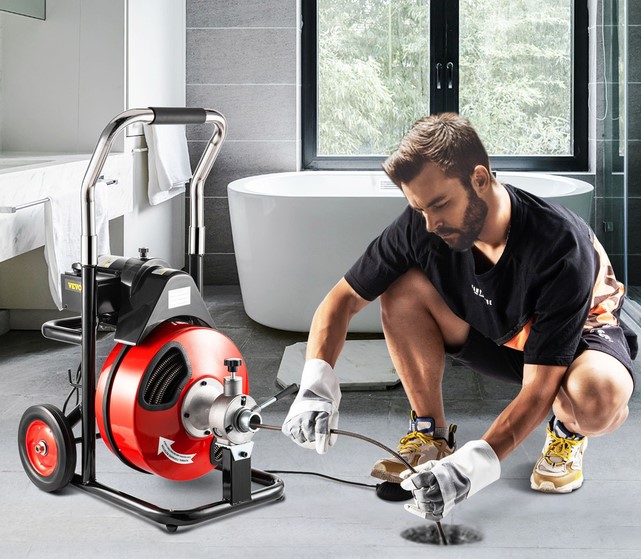
There is no household emergency that panics a homeowner faster than raw sewage bubbling up through a basement floor drain at 10:00 PM on a Sunday.
I remember responding to a call back in 2015 where a family of five was facing a $12,000 main sewer line replacement quote from a door-to-door sales contractor. The contractor claimed the pipe was completely collapsed. Before bringing out an excavator to destroy their newly landscaped front lawn, I pulled a heavy-duty continuous steel cable unit out of my truck. Within forty-five minutes of feeding the cable into the main cleanout, we chewed through a massive ball of invasive tree roots and wet wipes. The line cleared with a deafening WHOOSH, saving that family thousands of dollars.
That night was a classic lesson in residential plumbing: most blocked drain lines do not need costly excavation—they just need the right mechanical force applied correctly.
Enter the commercial-grade sewer snake auger—the ultimate workhorse of critical plumbing infrastructure maintenance.
Here is an expert field guide to understanding how this tool works, selecting the right equipment, and clearing major main line blockages safely without damaging your pipes.
Anatomy of a Main Line Blockage: Why Plungers Fail
When a main sewer lateral clogs, plunger force or chemical drain cleaners will accomplish nothing. Main drain pipes are typically four-inch to six-inch cast iron, PVC, or legacy clay pipes running anywhere from 30 to 100 feet from your home to the municipal sewer main.
Plungers rely on displacement air pressure, which dissipates harmlessly down open vent stacks long before reaching a distant clog. Chemical drain cleaners are even worse—they pool against heavy blockages, generating intense thermal reactions that can weaken old PVC joints or corrode aged cast iron while leaving the blockage intact.
A professional sewer snake auger operates on mechanical torque transmission. Think of it like a heavy-duty, ultra-flexible corkscrew that navigates pipe elbows and bores directly through solid blockages to cut, grab, or shred them.
+-----------------------------------------------------------------------+
|  AUGER MOTOR & DRUM                                                   |
|  (Generates High Rotational Torque)                                   |
+-----------------------------------------------------------------------+
                                  |
                                  v
+-----------------------------------------------------------------------+
|  FLEXIBLE CONTINUOUS INNER-CORE CABLE                                 |
|  (Transmits Torque & Thrust Through Pipe Elbows)                      |
+-----------------------------------------------------------------------+
                                  |
                                  v
+-----------------------------------------------------------------------+
|  SPECIALIZED CUTTING HEAD (C-Cutter / Root Saw / Grease Retriever)    |
|  (Bores Through Roots, Grease, & Debris At The Point of Impact)       |
+-----------------------------------------------------------------------+
Equipment Selection: Manual, Hand-Held, or Heavy Drum Machines?
Using the wrong tool for the job is where most DIYers get into trouble. You cannot clear a main sewer lateral using a tiny quarter-inch sink snake.
| Tool Category | Cable Diameter & Length | Max Pipe Size | Primary Use Case |
| Hand-Cranked Drum Snake | 1/4″ to 5/16″ (25 – 50 ft) | 1.5″ to 2″ | Sink drains, tub overflows, bathroom traps |
| Cordless Power Feed Snake | 5/16″ to 3/8″ (35 – 50 ft) | 2″ to 3″ | Kitchen branch lines, washing machine drains |
| Commercial Sewer Snake Auger | 1/2″ to 3/4″ (75 – 100+ ft) | 3″ to 6″ | Main sewer laterals, yard drains, heavy roots |
For main building drains, you must use a motorized sewer snake auger equipped with at least a 1/2-inch or 5/8-inch inner-core cable. Thin cables will twist, kink, and snap inside large four-inch pipes when they hit a tough obstacle.
Step-by-Step Clearing Protocol: The Master Plumber Method
Clearing a main drain demands strict safety procedures. A spinning industrial steel cable contains immense kinetic energy; mismanaging it can break your wrists or ruin a pipe.
1. Locate the Main Cleanout Access
Never attempt to clear a main sewer line through a toilet flange or a small sink drain. Locate your building’s main cleanout stack—typically a four-inch PVC or cast-iron Y-fitting located in the basement, crawlspace, or near the front yard foundation.
-
Place a large bucket underneath before unscrewing the cleanout cap to catch standing wastewater pressure.
-
Slowly loosen the cap to relieve backpressure before removing it entirely.
2. Matching the Cutting Head to the Blockage
Modern commercial machines feature interchangeable cutting tips. Select the head based on your suspected blockage type:
-
Spear Head or Bulb Auger: Best for probing unknown blockages, rag masses, or toilet paper jams.
-
C-Cutter / Grease Blade: Best for scraping hardened grease, sludge, and fat buildup off pipe walls.
-
Root Saw / Spiral Tooth Cutter: Best for chewing through aggressive tree roots penetrating pipe joints.
CUTTING HEAD TYPOLOGY

   (===[Bulb]           (===[C-Cutter]         (===[Root Saw]
  Probe & Grab          Grease Scraper         Root Shredder
3. Feeding and Operating the Cable
Position the machine no further than three feet from the cleanout opening. If the distance is greater, the exposed spinning cable can whip uncontrollably and twist around your arms.
-
Put the machine into FORWARD rotation.
-
Manually feed the cable into the pipe until you feel resistance or hit an elbow.
-
Once you encounter the blockage, stop feeding aggressively. Let the cutting tip rest against the obstacle.
-
Allow the spinning motor to do the work—apply gradual, firm forward pressure. You will hear the motor pitch drop as the cutting blade chews into the mass.
-
Retrieve the cable periodically to clear shredded debris off the cutter head before advancing further.
Expert Advice: Critical Warnings & Pro Tips
Hidden Warning: Never switch a sewer snake auger into REVERSE mode to force your way through a blockage! Reverse gear is engineered strictly for freeing a stuck cutting head from a root mass or pipe lip. Running the machine in reverse while applying forward pressure will uncoil, kink, and permanently ruin expensive inner-core cables—or worse, snap the cable inside the underground pipe.
Keep these essential field rules in mind before starting:
-
Use Heavy Leather Gloves: Never wear cloth or rubber gloves when operating a drum machine. Rubber or cloth material can catch in the spiraled wire cable instantly, wrapping around the spinning shaft and crushing your fingers. Use thick, smooth leather safety gloves.
-
Inspect with a Sewer Camera First: If your snake repeatedly hits a rock-solid barrier at the exact same footage mark, stop immediately. You may be striking a collapsed clay pipe, a heavy offset joint, or a city utility line strike. Rent a sewer inspection camera to verify line integrity.
-
Run Water After Clearing: Once the obstruction breaks loose and water starts draining, flush the line continuously with hot water while running the auger back and forth through the cleared zone to wash away lingering debris.
Protect Your Infrastructure Investment
Maintaining your building’s primary drainage system does not always require high-priced excavation crews or complete pipe replacements. By understanding how to properly deploy a heavy-duty sewer snake auger, you can take full control of critical infrastructure maintenance, clear aggressive blockages safely, and save thousands of dollars in emergency plumbing bills.
Have you ever had to deal with a main sewer line backup at your property, or are you preparing to clear a stubborn drain yourself? Leave a comment below with your questions or experiences—I’d love to share technical advice for your build!

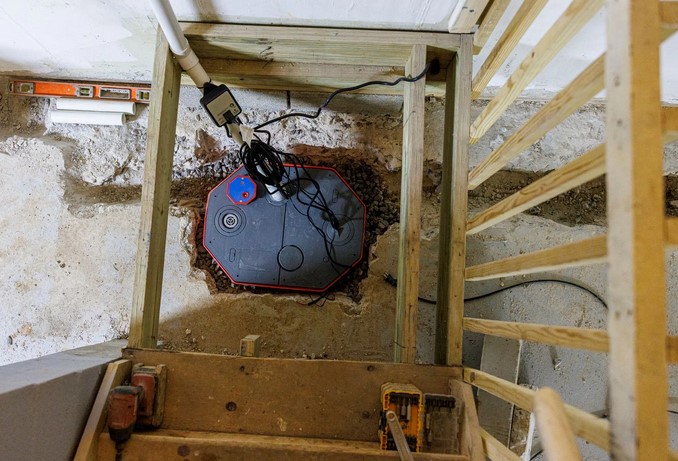
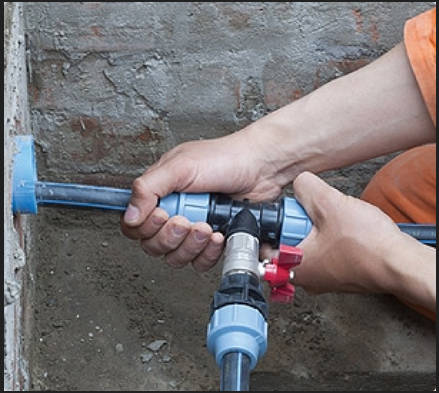

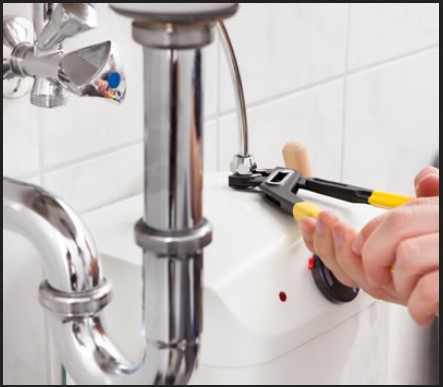

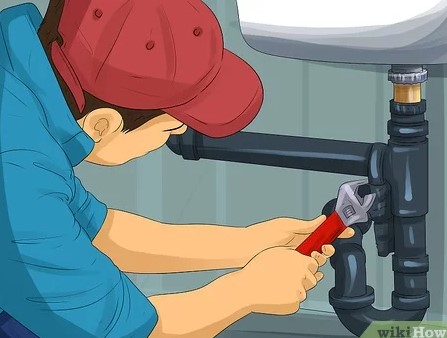 Currently, many plumbers in the market are looking for jobs. Plumbers are known for their good work in repairing any issues at home, such as toilets, faucets, and water heaters. Therefore, as a homeowner, you need to be cautious when hiring any plumber to help repair any broken part.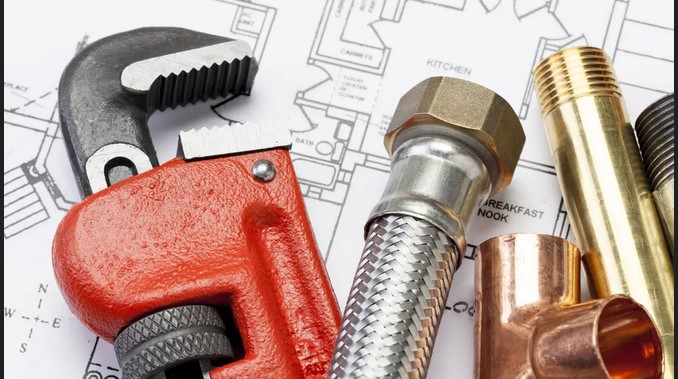
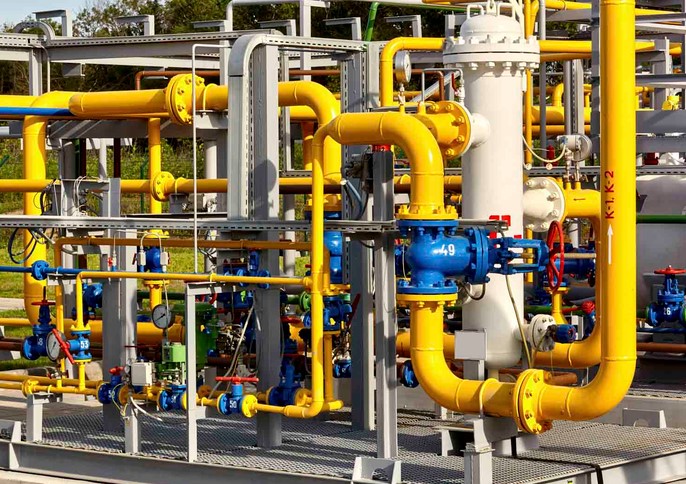
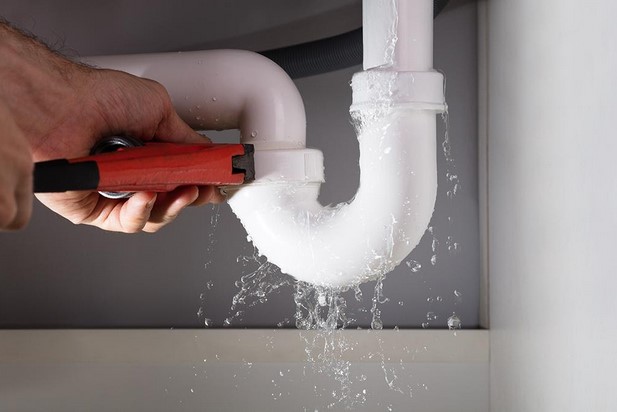 Your commercial plumbing system will get more use than your residential system. To keep a business running, employees’ restrooms and public toilets need a constant water supply. You can be sure of uninterrupted service no matter what business type you have. These are the top signs to call a commercial plumber repair specialist:
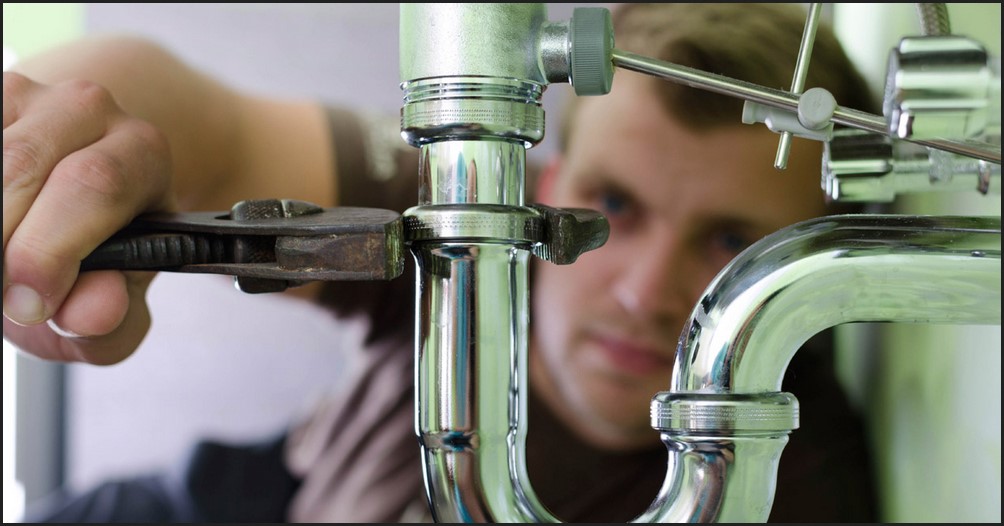 It sure is really stressful and worrying when it is about plumbing problems, such as leaking pipes. Especially if the homeowners do not really know how to fix them, and this situation happens in the most emergency time. For example in the middle of the night when most people are supposed to be sleeping. But if you think that it is hard looking for plumbers who are stand by 24 hours, you are wrong. PlumberHQ is able to find you emergency plumbers, especially for you who live in the area of Bristol, United Kingdom.