A C-suite executive once invited me into his newly renovated office to inspect what he described as his “wall of achievements.” Hanging there were invaluable career milestones: a vintage brass key to his first manufacturing plant, a hand-signed founding charter, and a heavy ceremonial medal.
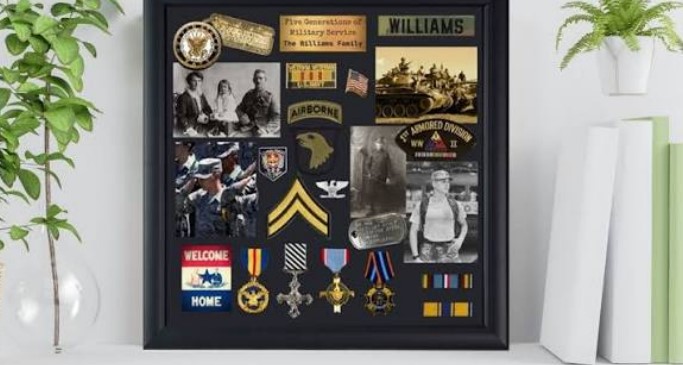
The problem? He had crammed these three-dimensional treasures into standard, flat picture frames using clear packing tape and raw luck. The glass was bowed, pressing flat against the raised brass, and the weight had caused the backing board to buckle outward. What was meant to project legacy instead looked like a hasty DIY experiment.
We immediately stripped those pieces down and rebuilt the display using archival-grade custom framing. Over my ten years of hands-on custom framing, carpentry, and interior installations, I’ve learned that two-dimensional prints belong in standard frames, but true milestones carry depth. Preserving three-dimensional history requires the structural engineering of a proper shadow box frame.
The Engineering Behind Depth: What Makes a Shadow Box Different?
To the untrained eye, a shadow box frame looks like a thick picture frame. In reality, it functions more like a mini architectural display case sealed against environmental degradation.
Think of a standard picture frame like a flat piece of paper pressed against a windowpane. A shadow box, on the other hand, operates like a miniature museum room. It utilizes internal perimeter spacers or a deep rebate (rabbet) to hold the glazing far away from the artwork, creating a sheltered air pocket.
+------------------------------------------+
|  Glazing (Glass / Acrylic)               |
+--+------------------------------------+--+
|  |  Internal Spacer                   |  |
|  |                                    |  |  <- Sealed Air Gap (Depth)
|  |  [ Mounted 3D Object ]             |  |
+--+------------------------------------+--+
|  Backing Board (Acid-Free Mat / Foam)   |
+------------------------------------------+
Why Depth Protection Matters
When a 3D object touches glass directly, thermal condensation gets trapped against the object’s surface. Over time, that trapped moisture causes mildew, metal oxidation, and irreversible ink transference.
By suspending the object inside a deep chamber, you stabilize temperature fluctuations and protect organic fibers like silk, wool, leather, or historical parchment.
Material Selection: Choosing the Right Enclosure
Not all shadow boxes are created equal. When framing executive memorabilia, material selection directly affects the lifespan of the items inside.
1. Frame Moulding: Hardwood vs. Composite
For heavy executive artifacts—such as ceremonial gavels, military swords, or thick bronze medallions—density is critical.
-
Hardwoods (Oak, Walnut, Cherry): These timbers hold heavy structural fasteners and resist warping under tension.
-
MDF or Polystyrene Composites: Fine for light paper, but the corners often split under the strain of heavy 3D mounting hardware.
2. Glazing Choices: Standard Glass vs. Archival Acrylic
Conservation Clear Glass99%ModerateHigh-value documents, autographs, and textiles.Museum Acrylic (Tru Vue)99%HighHeavy artifacts, seismic zones, and high-traffic offices.
| Glazing Type | UV Protection | Shatter Resistance | Best Used For | ||||||
| Standard Float Glass | ~45% | Low | Low-value decorative items away from sunlight. | ||||||
Pro Tip: In high-end executive suites with large floor-to-ceiling windows, always opt for anti-reflective, museum-grade acrylic. It eliminates harsh overhead light glare, making the item visible from any angle in the room.
Reversible Mounting Techniques: Preserving Value
The cardinal rule of high-value framing is simple: Every mounting method must be 100% reversible. If your mounting technique permanently damages the item, you haven’t preserved history—you’ve ruined it.
Never use hot glue, double-sided foam tape, or commercial epoxy on items of personal or monetary value. Here are the professional techniques we use on job sites:
The Sink-Matting and Thread-Barring Method
For textile items like corporate jerseys or ceremonial sashes, use hand-sewn sink-stitches with unbleached cotton thread through acid-free foam board. This distributes weight evenly without tearing fibers.
Brass Micro-Form Mounts and Wire Ties
For heavy, hard objects like brass keys, coins, or ceremonial shears, use brass rods coated in inert heat-shrink tubing. Form the rods around the object, thread them through the backing board, and secure them on the rear with steel washers. The vinyl coating prevents metal-on-metal scratching.
Composition and Layout: Arranging Your Executive Display
An overcrowded shadow box frame looks chaotic; an underfilled one looks accidental. Achieving visual balance requires thoughtful spatial hierarchy.
The Focal Anchor Principle
Place the largest, heaviest item slightly off-center toward the bottom or directly in the lower-third dead center. This grounds the composition visually. Secondary items—such as archival photographs, brass nameplates, or commemorative coins—should orbit the primary object.
+------------------------------------------+
|  [ Archival Photo ]    [ Commemorative ] |
|                        [     Coin      ] |
|                                          |
|         +----------------------+         |
|         |  Focal Anchor Item   |         |
|         |  (e.g., Key / Gavel) |         |
|         +----------------------+         |
|                                          |
|            [ Engraved Plate ]            |
+------------------------------------------+
Color contrast
Choose neutral background mats—such as conservation-grade linen or suede in deep navy, charcoal, or warm cream. High-contrast backgrounds make gold, silver, and dark wood objects pop off the back panel, creating a striking 3D silhouette.
Expert Advice: Hidden Pitfalls to Avoid
Throughout my decade in home improvement and custom framing, I have seen beautifully mounted shadow boxes ruined by two simple installation oversights:
Hidden Pitfall 1: Ignoring Wall Anchor Shear Strength
A solid oak shadow box frame loaded with glass, backing, and heavy metal artifacts can easily weigh between 15 to 30 pounds. Never rely on standard drywall anchors or adhesive strips. Always drive heavy-duty French cleats into structural wall studs.
Hidden Pitfall 2: Off-Gassing from Cheap Backing Boards
Standard cardboard or untreated plywood backing emits acidic off-gassing over time, turning white paper yellow and corroding polished silver. Always insist on 100% acid-free, lignin-free alpha-cellulose or rag backing boards.
Elevate Your Space with Purpose
Preserving career milestones in a custom shadow box frame bridges the gap between historical preservation and interior design. When done right, it converts personal achievements into executive artwork that commands respect and inspires future goals.
Take a look around your workspace today. Are your proudest moments tucked away in drawers or squeezed behind flat glass? Measure your pieces, select an archival shadow box with the right depth, and display your legacy properly.
Have a unique executive artifact or family heirloom you’ve been wanting to frame? Drop a comment below with what you’re working on, and let’s discuss the best mounting strategy for it!
