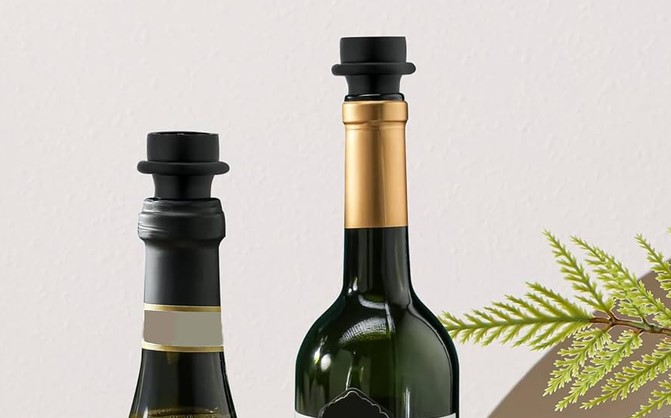
Picture this: You just uncorked a rare vintage wine or opened a premium artisanal oil to celebrate a special occasion. You pour a glass, pop the original cork back into the bottleneck, and tuck the bottle into your home bar or kitchen pantry. Three days later, you pour another glass—only to find that vibrant, complex flavor profile has flatlined into a dull, flat, or sour shadow of its former self.
Over my 10+ years designing custom home bars, wine cellars, and culinary storage solutions, I have seen this disappointing scenario play out time and again. Homeowners spend hundreds—sometimes thousands—of dollars curating top-tier liquid inventory, only to let ambient atmospheric exposure ruin it behind closed cabinet doors.
Here is an unvarnished truth straight from the field: a standard decorative cork or push cap does almost nothing to stop chemical decay. Upgrading to a specialized bottle stopper vacuum system is the single most effective way to eliminate oxygen exposure, slow down oxidation, and preserve the original purity of your liquid assets.
What Is a Bottle Stopper Vacuum and Why Is It Essential?
Think of your opened bottle as an iron beam left exposed to damp ocean air. The moment oxygen hits the metal, rust begins to form. In liquid preservation, oxygen acts as that relentless humidity, triggering chemical oxidation that breaks down volatile organic compounds, fruit esters, and subtle aromatic top notes.
A bottle stopper vacuum is a engineered sealing device featuring an integrated one-way check valve paired with a manual or electric suction pump.
Instead of merely blocking the bottle neck like a traditional cork, this device actively extracts the ambient headspace air from inside the bottle. By creating a low-pressure partial vacuum environment above the liquid line, it removes the chemical catalyst required for oxidation and spoilage.
During my early days installing custom cellar hardware, clients often asked why pushing a wooden cork in tightly wasn’t sufficient. The answer comes down to volume dynamics: shoving a cork back in traps roughly 50 to 150 milliliters of oxygen-rich air inside the bottle neck, leaving the liquid in continuous contact with the very element destroying it.
Technical Performance: Oxidation Kinetics, Headspace Physics, and Vacuum Pressure
When evaluating liquid preservation from an engineering standpoint, we examine gas exchange kinetics inside sealed containers.
When a bottle is half-empty, the enclosed air mass contains approximately 21% oxygen gas ($O_2$). Atmospheric oxygen rapidly reacts with ethanol, polyphenols, and essential oils, turning delicate flavors into harsh acetic acid compounds.
[ Unsealed / Standard Cork ]                  [ Bottle Stopper Vacuum ]
   Trapped Ambient Air                             Partial Vacuum State
 ┌──────────────────────┐                        ┌──────────────────────┐
 │   O2 Gas (21%)       │                        │  Air Extracted (HPa) │
 ├──────────────────────┤                        ├──────────────────────┤
 │                      │                        │                      │
 │ Continuous Oxidation │                        │ Inert / Low Oxygen   │
 │   & Vapor Loss       │                        │ Vapor Barrier        │
 └──────────────────────┘                        └──────────────────────┘
By deploying a calibrated bottle stopper vacuum system, you achieve measurable preservation advantages:
-
Headspace Pressure Reduction: Pulling negative pressure lowers oxygen density within the bottle, slowing oxidation rates by up to 80%.
-
Flavor Profile Stabilization: Prevents delicate aromatic terpenes and phenolic compounds from degrading over extended storage periods.
-
Hermetic Seal Maintenance: Elastomeric food-grade silicone gaskets flex under vacuum pressure to form an airtight seal around minor glass imperfections.
Types of Vacuum Stopper Systems: Manual vs. Integrated vs. Electric
Not all preservation hardware operates the same way. Selecting the right design depends on your storage habits and inventory volume.
| System Class | Mechanism & Interface | Ideal Use Case | Key Advantages |
| Manual Hand-Pump | Separate pump module with rubber stoppers | Daily kitchen use, entry-level bar setups | Cost-effective, durable, requires no batteries or charging |
| Integrated Push-Cap | Built-in plunger pump inside individual stoppers | Compact home bars, limited shelf height | Self-contained, simple operation, no external tools to lose |
| Electric Auto-Pump | Motorized sensor pump with digital pressure readout | Luxury cellars, high-turnover tasting rooms | Automatic pressure monitoring, consistent vacuum pull |
Step-by-Step Protocol: Installing and Operating a Bottle Stopper Vacuum
Achieving an airtight, commercial-grade seal requires a methodical approach. Follow this field-tested routine:
Step 1: Clean the Bottle Neck Interior
Before inserting the stopper, wipe the inner rim of the glass bottle neck with a lint-free cloth. Small crystalline deposits, sugar residue, or cork dust along the glass wall can break the silicone seal ring, causing vacuum pressure to bleed off over time.
Step 2: Insert the Elastomeric Stopper
Press the bottle stopper vacuum unit firmly into the bottle opening until the outer silicone ribs seat flush against the glass lip.
Step 3: Evacuate the Headspace Air
If using a manual pump, connect the nozzle to the stopper valve and stroke the plunger up and down. You will feel incremental mechanical resistance as air drops out of the bottle. Stop pumping when the plunger bounces back or the integrated pressure indicator button drops flat.
Step 4: Upright Vertical Storage
Store the sealed bottle strictly in an upright vertical position. Storing a vacuum-sealed bottle on its side puts continuous liquid pressure against the internal check valve, which can lead to seepage or valve failure.
Tips Pro & Hidden Warnings from the Field
Expert Insight: Early in my career while setting up a commercial wine bar, a client complained their manual vacuum stoppers were losing vacuum overnight. The culprit wasn’t a defective valve; staff were pumping the bottles while lying flat on a tasting counter. Liquid had entered the internal check valve, preventing the rubber diaphragm from seating flat. Always pump and store your bottles upright!
Hidden Warnings to Keep in Mind:
-
Never Use on Sparkling Liquids: Applying a bottle stopper vacuum to champagne, prosecco, or carbonated spirits will pull dissolved carbon dioxide ($CO_2$) rapidly out of solution, flattening the beverage instantly while damaging the internal pump.
-
Avoid Over-Pumping Light Bottles: Applying excessive vacuum pressure on delicate, thin-walled glass decanters can stress structural glass joints. Stick to standard 750ml heavy-gauge glass bottles.
-
Inspect Food-Grade Silicone Regularly: Alcohol vapors and natural oils gradually degrade rubber components over time. Inspect your stopper gaskets quarterly for cracking, discoloration, or stiffness, and wash them exclusively in warm water without harsh solvents.
Conclusion
Preserving high-value liquids isn’t just about display lighting and temperature control; it starts with controlling the microscopic air mass inside every open bottle. Incorporating a reliable bottle stopper vacuum into your kitchen or bar workflow protects your investment, maintains flavor integrity, and eliminates wasteful pouring down the drain.
Take a look at your home bar or pantry shelf today. Are your opened bottles sitting under basic decorative corks, or are they sealed tight under real vacuum protection?
What high-value inventory are you currently storing in your home bar or kitchen? Have you ever noticed flavor drop-off after leaving a bottle open for a few days? Share your thoughts, questions, or favorite preservation tips in the comments below!
