In today’s world, sustainability is more important than ever, and the way we design and maintain our gardens plays a significant role in promoting a healthier planet. Whether you’re a seasoned gardener or just getting started, implementing eco-friendly garden solutions can reduce your environmental impact, promote biodiversity, and create a thriving, beautiful yard that benefits both you and the ecosystem. From water conservation techniques to using organic materials, there are a variety of ways to make your garden more sustainable. In this article, we’ll explore several eco-friendly solutions that will help you transform your yard into a sustainable and low-maintenance oasis.
1. Benefits of Eco-Friendly Gardening
Adopting eco-friendly garden solutions offers numerous advantages, not just for the environment but also for the gardener. Below are some of the key benefits of incorporating sustainable practices into your garden.
1.1 Water Conservation
One of the biggest challenges for gardeners is managing water usage, especially in areas prone to drought. By using sustainable gardening techniques, you can significantly reduce your water consumption while keeping your garden healthy and vibrant.
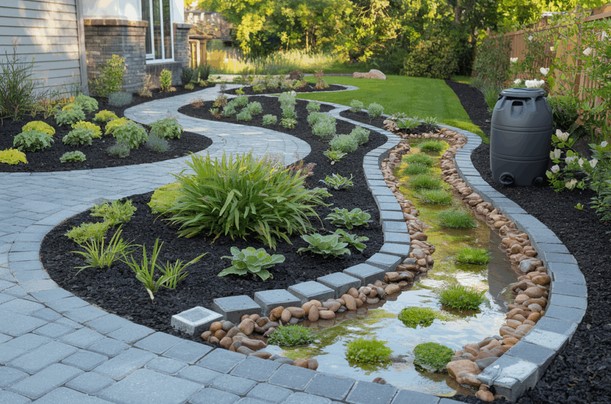
Rainwater harvesting is one effective eco-friendly garden solution. Installing a rain barrel to collect rainwater from your roof can provide you with a natural, free water source for your garden. This reduces your reliance on municipal water systems, saving both water and money. Additionally, using soaker hoses or drip irrigation systems allows water to be delivered directly to the roots of plants, minimizing evaporation and runoff.
Another water-saving technique is mulching. Applying a thick layer of organic mulch around plants helps retain moisture, reduces the need for frequent watering, and prevents weed growth. Materials like straw, wood chips, or leaves make great mulch options that decompose over time, adding valuable nutrients to the soil.
1.2 Reduced Use of Chemicals
Traditional gardening often relies heavily on chemical pesticides, herbicides, and fertilizers, which can be harmful to the environment, wildlife, and even human health. By shifting to eco-friendly garden solutions, you can reduce or eliminate the need for these toxic chemicals.
Organic gardening practices focus on building healthy soil, which in turn creates stronger, more resilient plants that are naturally less susceptible to pests and diseases. Composting organic waste not only reduces the need for chemical fertilizers but also improves soil structure and promotes healthy plant growth.
For pest control, consider using natural remedies like neem oil, insecticidal soap, or companion planting to keep harmful insects at bay. Certain plants, such as marigolds, basil, and garlic, can act as natural repellents for pests, reducing the need for synthetic chemicals.
1.3 Biodiversity and Wildlife Support
An eco-friendly garden doesn’t just benefit you—it also supports local wildlife. By creating a habitat that provides food, water, and shelter for pollinators like bees, butterflies, and birds, you can help foster biodiversity in your neighborhood.
Planting native species is an essential part of this. Native plants are adapted to the local climate and soil conditions, requiring less water and maintenance than non-native species. They also provide essential resources for local wildlife. For example, certain flowers attract pollinators, while shrubs and trees provide shelter for birds and small mammals.
Additionally, creating a habitat for wildlife can contribute to the broader ecosystem. A garden that is rich in biodiversity can help mitigate soil erosion, improve air quality, and support the health of nearby ecosystems.
2. Eco-Friendly Garden Solutions for Sustainable Landscaping
There are several practical and innovative eco-friendly garden solutions that you can implement to make your garden more sustainable. Below are some of the most effective methods for creating an environmentally conscious landscape.
2.1 Xeriscaping: A Water-Efficient Garden
Xeriscaping is a landscaping technique that focuses on reducing water usage by selecting drought-tolerant plants and using efficient irrigation methods. By incorporating xeriscaping into your garden, you can create a beautiful, low-maintenance space that thrives in dry conditions without the need for excessive watering.
The key to xeriscaping is selecting the right plants. Native and drought-resistant plants such as succulents, lavender, and yucca are well-suited for xeriscaping because they have adapted to survive with minimal water. Grouping plants with similar water needs together also ensures that your garden stays healthy while reducing water waste.
In addition to plant selection, consider using porous paving materials, such as gravel or permeable pavers, for pathways and patios. These materials allow rainwater to seep into the ground, reducing runoff and allowing water to be absorbed where it is most needed.
2.2 Composting: Reduce Waste and Enrich Soil
Composting is one of the simplest yet most effective eco-friendly garden solutions for enriching your soil and reducing waste. By composting food scraps, yard waste, and other organic materials, you can create nutrient-rich compost that improves soil health and reduces the need for chemical fertilizers.
To start composting, simply gather materials like fruit and vegetable scraps, coffee grounds, grass clippings, and leaves. These items break down into rich, dark compost that can be added to your garden beds to improve soil structure, enhance water retention, and provide essential nutrients for plants.
Composting also helps divert organic waste from landfills, where it would otherwise decompose anaerobically and release harmful methane gas into the atmosphere. By composting at home, you contribute to reducing your carbon footprint while creating a healthier environment for your plants.
2.3 Green Lawn Alternatives
Traditional lawns often require large amounts of water, fertilizer, and pesticide treatments to stay green and healthy. Instead of maintaining a conventional lawn, consider alternatives that are more sustainable and require less maintenance.
One popular green lawn alternative is groundcover plants such as clover, creeping thyme, or moss. These plants are low-maintenance, drought-resistant, and provide a soft, green surface that can replace traditional turf. Clover, for example, fixes nitrogen in the soil, reducing the need for chemical fertilizers, and provides a habitat for pollinators.
Another option is the use of mulch or gravel in areas where grass would normally grow. This not only conserves water but also helps prevent soil erosion and reduces the need for mowing.
3. Sustainable Garden Structures and Features
In addition to choosing the right plants and soil management techniques, there are several sustainable structures and features you can incorporate into your garden to promote eco-friendliness.
3.1 Rain Gardens
A rain garden is a shallow depression designed to collect and absorb rainwater runoff from roofs, driveways, and other hard surfaces. By planting native plants in the rain garden, you can create a natural filtration system that helps clean the water before it returns to the groundwater supply.
Rain gardens are especially beneficial in areas with heavy rainfall, as they help manage stormwater runoff, reduce flooding, and prevent water pollution. The plants selected for the rain garden should be tolerant of both wet and dry conditions, such as wildflowers, ferns, and sedges.
3.2 Garden Structures Made from Recycled Materials
Another way to make your garden more sustainable is by using recycled or repurposed materials for garden structures. Consider using reclaimed wood, metal, or stone for raised garden beds, compost bins, and pathways. By giving new life to materials that would otherwise end up in a landfill, you can create unique, eco-friendly garden features while reducing waste.
Building garden structures from recycled materials not only minimizes environmental impact but also adds a rustic, natural aesthetic to your yard.
3.3 Solar-Powered Garden Lights
Lighting is an essential feature in many gardens, but traditional electric garden lights can add to your energy bills and have a negative environmental impact. Solar-powered garden lights are an eco-friendly alternative that uses renewable energy from the sun to power your outdoor lights. These lights charge during the day and automatically turn on at night, providing beautiful illumination without the need for electricity.
Solar garden lights are available in a variety of styles, from pathway lights to decorative lanterns, and can be used to highlight key features of your garden while conserving energy.
Eco-friendly garden solutions offer an excellent way to create a beautiful, sustainable outdoor space that benefits both you and the environment. Whether you’re reducing water consumption, supporting local wildlife, or using organic gardening practices, there are countless ways to transform your yard into a sustainable oasis. By incorporating techniques like xeriscaping, composting, and using rain gardens, you can create a low-maintenance, environmentally conscious garden that reflects your commitment to sustainability. In today’s world, every small effort counts, and by choosing eco-friendly garden solutions, you contribute to a greener, healthier planet.
