
DIY Baby Crib: Build a Safe and Stylish Bed for Your Little One is a comprehensive guide that provides step-by-step instructions on how to construct a secure and aesthetically pleasing crib for your newborn. This guide is designed for parents who wish to add a personal touch to their baby’s nursery, while ensuring the utmost safety and comfort for their child. It covers everything from choosing the right materials, to assembling the crib, and even decorating it. With this guide, you can create a unique and cozy sleeping space for your little one, while also gaining the satisfaction of building it yourself.
Step-by-Step Guide: Building a Safe and Stylish DIY Baby Crib for Your Little One
Building a DIY baby crib for your little one can be a rewarding project that not only saves you money but also allows you to create a unique piece of furniture that can be cherished for years to come. This step-by-step guide will help you construct a safe and stylish crib that meets all safety standards and complements your nursery decor.
Before you begin, it’s essential to gather all the necessary materials and tools. You’ll need quality hardwood, screws, dowels, a saw, a drill, sandpaper, and non-toxic paint or stain. It’s also crucial to have a detailed plan or blueprint of the crib design. There are many free plans available online, or you can purchase one from a woodworking store.
Once you have your materials and plan, the first step is to cut the wood according to the dimensions specified in your blueprint. This is where precision is key, as any inaccuracies can lead to safety issues down the line. After cutting the wood, sand each piece thoroughly to ensure a smooth finish and to prevent any potential splinters.
Next, assemble the crib frame. Start with the four posts and attach the side rails to them using screws and dowels. Ensure that the rails are secure and that there are no sharp edges or protruding screws. Once the frame is assembled, you can install the mattress support. This should be adjustable so that you can lower it as your baby grows and becomes more mobile.
After the frame and mattress support are in place, you can move on to the crib slats. These should be no more than 2 3/8 inches apart to prevent your baby’s head from getting stuck. Attach the slats to the rails using screws, making sure they are secure and evenly spaced.
Once the crib is fully assembled, give it a thorough inspection. Check for any loose screws or rough edges and make sure the mattress support is sturdy and secure. It’s also a good idea to give the crib a shake to ensure it’s stable and doesn’t wobble.
The final step is to finish the crib. Apply a non-toxic paint or stain and let it dry completely before placing a mattress in the crib. When choosing a mattress, make sure it fits snugly within the crib with no more than two fingers width of space between the mattress and the crib sides.
Building a DIY baby crib is a project that requires careful planning and meticulous execution. However, the result is a safe and stylish bed for your little one that you can take pride in having made yourself. Remember, safety should always be your top priority, so take your time, follow the instructions closely, and don’t hesitate to seek professional advice if you’re unsure about any step in the process. With patience and attention to detail, you can create a beautiful and functional piece of furniture for your baby’s nursery.In conclusion, building a DIY baby crib can be a rewarding project that allows parents to provide a safe and stylish bed for their little one. It offers the opportunity to customize the crib according to personal preferences and nursery decor. However, it’s crucial to ensure that the crib meets safety standards to protect the baby’s well-being.

 In the wake of a fire, the aftermath can be overwhelming and devastating. Beyond the immediate safety concerns, there’s the daunting task of rebuilding and restoring what was lost.
 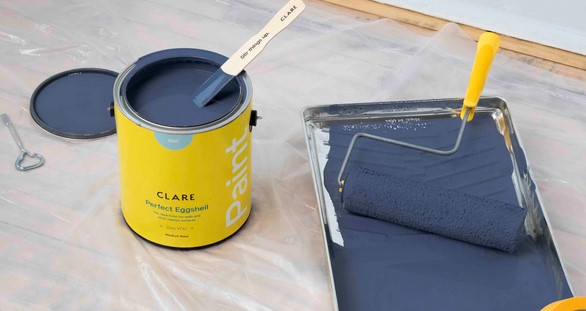 Paint coverage calculations are an important part of any painting project. Knowing how much paint you need to cover a given area is essential for ensuring that you don’t run out of paint before the job is done. It’s also important to understand how much coverage you can expect from a gallon of paint, as this will help you determine how many gallons you need to purchase. In this article, we’ll discuss the basics of coverage calculations and how to calculate the coverage of a gallon of paint. We’ll also discuss some tips for getting the most out of your paint and ensuring that you get the best coverage possible.
 Wainscoting Wonders is a comprehensive guide to painting and enhancing your walls with wainscoting. Whether you’re a beginner or an experienced DIYer, this guide will provide you with all the tips and tricks you need to create beautiful wainscoting designs. From choosing the right materials to painting techniques, this guide will help you create a stunning look for your walls. With detailed instructions and helpful illustrations, you’ll be able to create a unique and stylish look for your home. So, if you’re looking to add a touch of elegance to your walls, Wainscoting Wonders is the perfect guide for you.