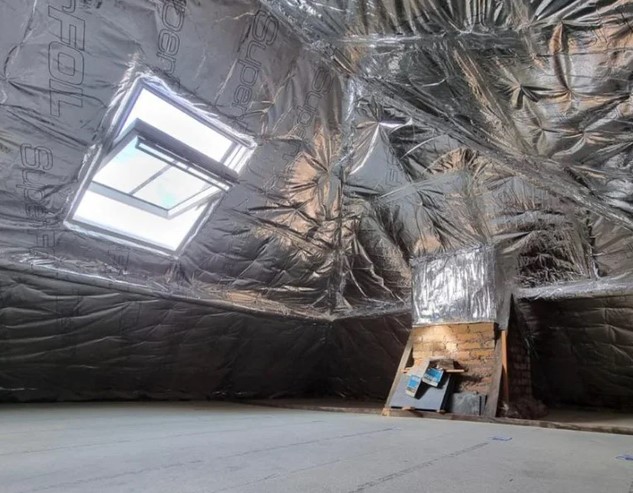
Picture this: It is the middle of winter, your thermostat is set to a cozy 72°F, but your heating furnace runs almost non-stop. Meanwhile, your energy bills keep climbing, and certain rooms in your house always feel drafty no matter how high you crank the heat.
Over my 10+ years crawling through dark crawlspaces and dusty attics as a residential energy auditor and retrofitting specialist, I’ve seen this exact story unfold hundreds of times. Homeowners jump to blame drafty windows or outdated HVAC units, spending thousands on replacements.
In reality, up to 40% of a home’s total heat loss occurs through unsealed penetrations in the ceiling plane—a invisible phenomenon that can be tackled directly through strategic attic dust sealing and air barrier restoration.
What Is Attic Dust Sealing and Why Is It Critical?
Think of your home during winter like a chimney in a warm cabin. Warm air naturally rises toward your top-floor ceiling. If that ceiling is peppered with unsealed gaps around light fixtures, plumbing stacks, and wire penetrations, warm air rushes directly into your cold attic space.
This process—known in building science as the Stack Effect—creates a negative pressure vacuum on the lower floors. That vacuum pulls freezing outdoor air into your living spaces through basement cracks, window sills, and exterior door frames.
When we perform attic dust sealing (commonly referred to alongside air sealing), we are systematically hunting down and capping these hidden bypasses beneath your existing attic insulation.
During my early years in the field, I often found attics where insulation looked pitch-black in specific spots. Beginners assume that dark fiberglass insulation is dirty or moldy; in reality, fiberglass acts like a giant furnace filter. Those dirty patches are diagnostic footprints—proof that warm indoor air has been blowing through those exact spots for years, leaving airborne dust behind.
Technical Performance: Thermal Dynamics, Air Bypass Mechanics, and Blower Door Audits
To evaluate how air leakage degrades a home’s building envelope, we look closely at heat transfer mechanisms: conduction, convection, and radiation.
While attic insulation (measured in R-value) slows down conductive heat transfer, it does almost nothing to stop convective air movement if there are open gaps beneath it. Adding R-49 blown cellulose over unsealed ceiling penetrations is like putting a thick wool sweater over a windbreaker with open zippers—the cold wind blows right through the fibers.
[ Unsealed Ceiling Mechanics ]                 [ Sealed Ceiling Mechanics ]
    Cold Attic Environment                         Cold Attic Environment
   ────────────────────────                       ────────────────────────
     ▲   ▲   ▲   ▲   ▲                              (Airtight Barrier)
     │   │   │   │   │                              ────────────────────────
   [ Air Bypasses / Gaps ]                        [ Sealed Penetrations ]
     ▲   ▲   ▲   ▲   ▲                                         │
   (Warm Air Escapes Upward)                       (Heat Trapped In Living Space)
   ────────────────────────                       ────────────────────────
     Living Space Ceiling                           Living Space Ceiling
By completing a comprehensive attic dust sealing project, you yield measurable performance gains across your building system:
-
Blower Door CFM Reduction: Lowering overall Air Changes per Hour (ACH) measured during diagnostic depressurization tests.
-
Ice Dam Prevention: Stopping warm air from heating the underside of your roof deck, which melts snow and creates costly winter ice dams along eaves.
-
HVAC Duty Cycle Optimization: Reducing the runtime hours required for your furnace and air conditioner to maintain stable setpoint temperatures.
Major Bypass Targets: Where Your Warm Air Escapes
When you step into an attic space to execute an air sealing project, you must target the largest structural openings before addressing smaller cosmetic gaps.
| Bypass Category | Location & Characteristics | Primary Sealing Material |
| Open Chase Openings | Gaps around furnace flues, chimney brick, and plumbing stack drops | Fire-rated sheet metal, high-temp silicone, non-combustible rockwool |
| Recessed Can Lights | Unrated non-IC recessed fixtures piercing the ceiling plane | Fire-rated airtight canister covers, expanding foam outer perimeter |
| Partition Wall Tops | The top plates of interior stud walls where drywall meets framing | One-component polyurethane expanding foam sealant |
| Electrical & Wire Penetrations | Drill holes where wiring bundles pass from attic into wall cavities | Low-expansion spray foam or elastomeric caulk |
Step-by-Step Guide: How to Perform Attic Dust Sealing Safely
Executing an air sealing retrofit requires methodical preparation, safety gear, and precision. Follow this field protocol:
Step 1: Gear Up for Safety
Attics are hostile environments filled with extreme temperatures, loose insulation fibers, and protruding roof nails. Put on an N95 or P100 respirator mask, safety goggles, protective coveralls, work gloves, and bring a bright LED headlamp. Always step only on structural ceiling joists—never on the drywall between them!
Step 2: Clear Away Existing Insulation
Move existing fiberglass batts or rake back loose-fill cellulose from top plates, electrical boxes, and ceiling fixtures. Look for telltale dirty dust deposits on the insulation fibers to pinpoint hidden air leaks quickly.
Step 3: Seal Frame Joints and Small Wire Holes
Using a can of one-component polyurethane expanding foam equipped with a long nozzle gun, apply a continuous bead of foam along every top-plate drywall seam. Fill all drill holes where electrical wires pass downward into wall cavities.
Step 4: Cap Large Chases and Recessed Lighting
Construct rigid draft stops over large dropped soffits using rigid foam board cut to size, sealing the edges with expanding foam. For recessed can lights, install fire-rated air-seal covers over the fixtures, maintaining proper code clearance from non-IC rated housings.
Step 5: Restore and Top Off Insulation
Once all foam and caulk sealants have fully cured, pull back the original insulation batts or re-blow loose-fill cellulose to achieve the recommended R-value for your climate zone (typically R-38 to R-60).
Expert Advice: Tips Pro & Hidden Warnings from the Field
Expert Insight: In a suburban home retrofit I managed, the owner spent $8,000 on a high-efficiency heat pump, only to find their upper floor stayed freezing. When I pulled back the fiberglass batts in their attic, I discovered an unsealed 12×12 inch chase open directly to the furnace flue. Sealing that single opening with metal flashing and fire-stop sealant solved the room comfort issue in under two hours for less than $50 in materials.
Hidden Warnings to Keep in Mind:
-
Beware of Combustion Appliance Backdrafting: When you make a house significantly tighter through attic dust sealing, fuel-burning appliances (like atmospheric gas water heaters or furnaces) can backdraft dangerous carbon monoxide into your living space. Always perform a combustion safety and draft test after major air sealing projects!
-
Never Spray Foam Against B-Vent Flues: Standard polyurethane spray foam is flammable. Around hot metal chimneys, masonry flues, and gas B-vents, you must use sheet metal flashing secured with high-temperature, fire-rated silicone sealant.
-
Maintain Attic Ventilation Clearances: When sealing perimeter top-plates near the eaves, never block your roof’s soffit vents. Install cardboard or plastic insulation baffles (rafter vents) to ensure outdoor airflow continues moving freely from soffits to ridge vents, preventing roof deck moisture rot.
Conclusion
Engineering your home for high energy efficiency isn’t just about replacing equipment; it begins with mastering building science principles right under your roof. Investing time in targeted attic dust sealing stops the Stack Effect, keeps warm air where it belongs, prevents ice dam damage, and slashes your utility bills for years to come.
Take a trip up to your attic access hatch this week with a flashlight. Are your ceiling penetrations tightly sealed, or is your warm living room air blowing right out through your roof?
Have you ever performed energy retrofits in your attic, or are you currently dealing with stubborn drafts in your upper-floor rooms? Share your experiences, questions, or field stories in the comments below!
